Overthiking: Guide
Table of Contents
Chapter 1: What is Overthinking?
Chapter 2: What Causes Overthinking?
Chapter 3: Information Overload
Chapter 4: Declutter Your Mind
Chapter 5: Declutter Your Environment
Chapter 7: Remove Negative Influences
Chapter 9: A Good Night’s Sleep
Introduction
Congratulations on downloading this book and thank you for doing so.
The following chapters will discuss what it means to overthink and what you can do to change it. You will learn about the symptoms of overthinking and how it affects your day-to-day life, before going on a step-by-step journey to alleviate the stress of overthinking and negative thought processes.
Many people overanalyze and overthink every aspect of their lives, whether it’s their jobs, their relationships, lack of fulfillment, or a constant stream of stress. All of these struggles seem inevitable in a normal life, and if you look around, people seem to have accepted that life and stress and negativity will always be connected, even in the best-case scenarios.
Forming good habits like mindfulness meditation, positive relationships, and adequate sleep will lead you to a place where the negative habits that lead to overthinking fall away. From poisonous relationships to a cluttered living space, shedding the things that hold you back will give way to a whole new you, ready to meet life’s challenges with a mind filled with positive thoughts and meaningful goals. It is my hope that by working every day to form better habits, you will come to realize your full potential without feeling like overthinking is an inevitable part of life. You can take back control!
There are plenty of books on this subject on the market, thanks again for choosing this one! Every effort was made to ensure it is full of as much useful information as possible, please enjoy!
Chapter 1: What is Overthinking?
How many times in the past have you heard a coworker, a boss, or a loved one say the words, “stop overthinking it”? Maybe the question has been directed at you in the past, and you’ve responded with something like, “I’m not sure what you mean,” or “I don’t know if you’re thinking through it enough.”
Many times, communication is one of the main factors in the misunderstandings that occur between people in relationships. We say one thing, but it is understood in a different way. This complication is made worse when we fall into the habit of overthinking, which is simply taking in and processing way more information than is necessary to complete a given task or figure out a problem. When we pull from a much larger pool of information than is necessary for what we are trying to do, whether it’s something as simple as picking out the appropriate tie or deciding whether to break up with that new boyfriend, we are guilty of overthinking and often make the task much harder on ourselves than it needs to be.
All those thoughts swirling around in your brain make even the simplest tasks difficult because it becomes nearly impossible to avoid distraction. Overthinking can lead to an emotionally damaging mindset, where you begin to think negatively about yourself, your loved ones, or even about the world. Too much negativity and worry in your mind will shut out any hope of positive thinking or finding the path toward becoming a more positive, productive person.
I am excited to take this journey with you, and I know that you are about to discover many things about yourself as a person. The simple fact that you’ve sought out help from this book is an important first step forward. Many people continue through their entire lives living with the chaos going on inside their minds while they try to seek out a pleasant existence. But we’re going much further than this. We’re going to shed that old chaotic mindset and find the path to clarity.
The title of this book refers to finding a path through the noise inside your mind, but we’re not just going to walk casually by and leave the chaos where it is. Many people are very skilled at something called “compartmentalization.” This is where, in order to deal with many sources of stress, worry, and overthinking, people will carefully store different thought processes in different parts of their brains and train themselves to ignore one thing while they concentrate on another. Many men and women experience this after a trauma. In order to escape the grief, they will concentrate on something that is productive, like their jobs, and not think about the pain that must be worked through.
Compartmentalization is an avoidance of the problem, and though it can be helpful in traumatic experiences, it is essential to address what is going on in our minds if we are to move past it. So, if you’re ready, let’s get started!
Chapter 2: What Causes Overthinking?
There are many, many causes of overthinking, many catalysts that trigger the bad habits of overthinking which can lead to anxiety and excessive worrying. These are not pleasant emotions, and what can seem like simply being careful and thinking things through can easily turn into something much more serious and damaging.
We’ve all experienced worry at some point in our lives. I remember when I was a child, my mother would leave the house very early in the morning to go to work at the post office, and I would wake up just as she was walking out the door and feel a desperate need to run out to the front door and catch her so I could say goodbye and “I love you.” This didn’t last long, but I remember for a few nights I was overcome by the worry that she was going to leave the house and I would never see her again. This is easily attributable to me being a young child but let us think about another example.
 You are an adult, and your older brother is flying out to Colorado for
a ski trip with his friends. He’s just turned 21, and you know that
there is going to be a good deal of partying and drinking going on. Now
you start worrying about all the things that could happen. What if he
gets in an accident driving around an unfamiliar area? Would he be
tempted to drink and drive? What if he falls while skiing and breaks a
leg or an arm? What if he runs into a tree and has a concussion and he
goes to a hospital and I don’t know about it because he doesn’t have his
phone and…and…and…
You are an adult, and your older brother is flying out to Colorado for
a ski trip with his friends. He’s just turned 21, and you know that
there is going to be a good deal of partying and drinking going on. Now
you start worrying about all the things that could happen. What if he
gets in an accident driving around an unfamiliar area? Would he be
tempted to drink and drive? What if he falls while skiing and breaks a
leg or an arm? What if he runs into a tree and has a concussion and he
goes to a hospital and I don’t know about it because he doesn’t have his
phone and…and…and…
Okay, so this is an extreme case of acute worry, but I’m sure you know what I’m talking about and have experienced something similar concerning a loved one. To throw a wrench in the works, let’s say you just watched a video on Facebook where someone ran right into a tree while skiing a few days ago. Now you have this mental image to feed those worries running through your mind like a broken record. Perhaps you saw a story about a car accident in Colorado caused by bad weather, and now you have that worry going through your mind.
An occasional bout of worry is perfectly normal, but when a person’s life becomes plagued by constant worry about things that could happen without a good reason or basis, that person may be suffering from anxiety. There are different forms of anxiety, but two of the most common forms are social and generalized.
We may think of anxiety as a chronic form of overthinking, and many people experience such intense anxiety that they choose to take medication to assuage this feeling. Generalized anxiety applies to everyday experiences which most people get through without trouble. Some people describe the feeling as a “fear of everything.” Generalized anxiety affects day-to-day life and manifests as intense worry and fear of things like leaving the house, going to the grocery store, your loved ones’ health, what will happen in the world, possibility of war, whether you are eating right, whether you might be sick with serious disease and not know it. Some people suffer from a specific phobia, but generalized anxiety tends to react to many different things at once and can become overwhelming.
You may have experienced some form of anxiety while you began to recognize the habit of overthinking. The first step to address overthinking is to figure out the causes that are specific to you. There are many causes to explore and you will learn as we discuss several of them, even if they don’t all apply to you. Hopefully, as you read through this list, you will be able to pinpoint which factors may be playing the biggest role in your overthinking.
Social Expectation
Living and working in the world today is more demanding and challenging than ever before. Yes, we have the modern conveniences that make life more comfortable and convenient, but we also must contend with the structure of social life and the expectation that we follow a timeline that follows something like this: school, more school, entry-level career, climb the ladder, senior-level career, retirement.
For a long time, this was the norm for people living in countries of economic power. But a lot has been shifting over the course of the last few decades, and at an exponentially increasing rate. Finding a job in a lucrative career that will be enjoyable and satisfying for thirty or more years is not so simple anymore. The competition has grown right alongside the earth’s population and the staggering advancement of technology. Many of the jobs readily available to our parents no longer exist, and nowadays, you would get a strange look for physically walking into a business and asking for an employment application instead of applying online. If you do manage to get that dream job right out of high school or college, then the real trial by fire begins. We could talk office politics, competition, and rivalry all day, but for right now, let’s focus on some of the core triggers for overthinking in two of life’s most influential domains: work and school.
We’ve started to discuss the challenge of finding gainful employment as a young adult in the modern age, so let’s continue exploring where overthinking may come into play here.
Following the effect of globalization, the world is now overrun with advertisement and marketing schemes. From the very beginning of your career, you’ve been told that you will have to compete with many other candidates, many of whom may be more qualified than you. The interview process challenges candidates to make a compelling argument for why they should stand out above all the rest. You may practice in front of a mirror at home or think about all the possible questions that may come up. It is here when you may start thinking about how you measure up next to others in your field. You’ve just graduated from college with a degree and, at the time, you felt like you were on top of the world with a million different prospects awaiting you (best case scenario, of course). Fast forward a few months, and you start to realize that the job market is a tad more competitive than you thought, and you haven’t proven yourself to be a shoo-in to some of your dream companies who have already passed on you. Many young adults in the millennial generation can attest to the challenges of having graduated during a recession in the US and having trouble finding any reasonable employment at all, let alone a prestigious start to a career in their fields.
 The pressure of the social expectation that you can and will find a
great job if you are smart and work hard enough becomes a great burden
if and when things don’t work out the way you’d imagined them throughout
your time in school. At this point, you may begin to wonder if it is
some fault or deficiency within yourself keeping you from your dreams.
The pressure of the social expectation that you can and will find a
great job if you are smart and work hard enough becomes a great burden
if and when things don’t work out the way you’d imagined them throughout
your time in school. At this point, you may begin to wonder if it is
some fault or deficiency within yourself keeping you from your dreams.
The truth is, there are countless factors at play when it comes to finding or landing your “dream job,” and sometimes, hard work and a positive attitude are just not enough, despite what your parents or teachers told you. This is why many young adults begin the cycle of overthinking that is dominated by questions of self-worth and adequacy. If society says I’m supposed to be here or there at this point in my life, that means I’ve failed and there is something wrong with me.
Once this conviction takes root, it is very hard to ignore the myriad images, slogans, and advertisements all around us which display the ideal professional man or woman in their nice corner offices, dressed in the latest fashions, sharing how they’ve made it this far because they work for this or that company, attended this or that school, bought this or that car, bought a house in this or that city, etc. This is when you may start to compare yourself to the success of others, which simply adds to the merry-go-round in your mind that feeds a feeling of inadequacy and low self-esteem.
But now let’s say you’ve landed a decent job. It’s not your dream job, but it may be a good start for you and your career. Now it’s time to prove yourself. You immediately look around at your coworkers, boss, and peers to assess where you are on the ladder and how you measure up to your competition. Depending on the type of personalities surrounding you, you may feel a lot of pressure to do well and grow within the company. Society teaches us that being the best is the only way to grow and climb within your company, so professional life instantly turns into a competition. This pressure may manifest itself as overthinking every day as you constantly analyze how well you do your job. This is not a bad thing in and of itself—everyone wants to be good at their jobs. A problem arises when we begin obsessively comparing ourselves to others, and when the job is no longer an environment of several likeminded people working to build a better company, but a cutthroat competition to the top.
Once you’ve managed to break into the top echelons of business society, the competition turns toward other companies in your field—overtaking their market, putting others out of business, etc. And we’ve all heard the saying, the more you gain, the more you have to lose. This opens up a whole new avenue of worry and overthinking as you assess how far you may fall if you make a mistake or fall off the ladder!
 Is this you? Do you experience constant worry about where you are
professionally? Maybe you are underemployed and feel embarrassed, like
you haven’t gone far enough in life as you compare yourself to others.
This may be one of the most common triggers for overthinking, but now
it’s time to move backward in time to examine how social expectation
first takes root in our minds as kids. Let’s take a look at social
expectation in school.
Is this you? Do you experience constant worry about where you are
professionally? Maybe you are underemployed and feel embarrassed, like
you haven’t gone far enough in life as you compare yourself to others.
This may be one of the most common triggers for overthinking, but now
it’s time to move backward in time to examine how social expectation
first takes root in our minds as kids. Let’s take a look at social
expectation in school.
As kids, most of us aren’t thinking seriously about what happens after school. We may have some far-fetched dreams swirling in our brains, but mostly we just want to know what mom packed for lunch today and if that big kid is going to knock us off the swing at recess again today. (Hopefully not, but you get the idea.)
As we grow older and enter the realms of middle school and high school, social pressure and expectation become more central to our lives in an immediate sense. We may be thinking of our future careers from a distance, but most of us are preoccupied with whether or not people like us at school, how popular we are, whether or not we’ll get a date for the dance, etc. Much of the social pressure at this age centers around physical appearance and either academic or competitive achievement. Sadly, most girls around this age start to become overly concerned about their physical appearance and may even begin to equate this with their self-worth. The trigger for overthinking has begun as these women look around at the beautiful women in social media and in magazines, and begin comparing themselves to those unattainable ideals. Similarly, young boys may have a role model in sports or even a father figure who has become very successful in their professional fields and begin comparing themselves as men, equating success in competitive sports or popularity or academics with their self-worth.
The pressure only gets stronger as we enter college, if that is your path. Balancing social life with academic life is a struggle that many lose, resulting in a student dropping out of college. Remaining focused and achieving good grades and that long-awaited bachelor’s degree grants passage into the realm of professional work, where a whole new world of social pressure and expectation awaits.
As you can see, much of our overthinking may very well stem primarily from a distorted perception of ourselves in relationship to others in our professional or social environments. This pressure begins early in life and continues as we are constantly bombarded with images and messages in the media dictating what success should look and feel like.
Let’s take a look at some more possible triggers for overthinking.
Relationships
Depending on your age, overthinking in romantic relationships can range from things like, “Does she like me?” to “I just know he’s coming home late from work all the time because he’s having an affair.”
Much of the overthinking that occurs in the minds of people in relationships turns to emotionally painful sources of such feelings as jealousy and low self-esteem. Just as we are bombarded with images of “success” in the media, we are also bombarded with what it should look like to be in a perfect relationship. A young girl who obsesses over her looks in high school may later struggle in a relationship because she perceives other beautiful women as constant threats. Young boys who worry about making money may later struggle in a relationship because he thinks making money and working are more important than quality time spent with a partner.
Overthinking in relationships can cause a lot of problems, and many of them can be quite emotionally draining. When the thoughts taking over one’s mind begin to cloud reality, you have the beginning of a self-destructive cycle of negative emotions and perceptions. Outside influences have a way of wheedling themselves into our minds and we begin comparing our relationships to those we see around us, on Facebook, or in other media sources. This is a mistake because every person and relationship is unique—there is no one-size-fits-all system for how a perfect relationship should work. You know you are overthinking when you get mad at your partner because he or she doesn’t look at you the same way some famous celebrity looks at his or her partner. Comparing your romantic life to that of others is a great way to miss out on what makes yours special. I’m not saying you should ignore problems in your relationship. I’m saying you shouldn’t try to compare those problems with others’ problems as a way to solve them.
 Each of us is unique, and we all deal with emotions and problems in
different ways. Different doesn’t mean wrong, but in a society that
hides the challenges of a relationship behind the façade of a perfect
one, people may experience quite the brutal slap in the face once they
move past the “honeymoon phase,” and begin to realize it’s not all roses
and stuffing cake in each other’s faces. Relationships aren’t supposed
to be easy and breezy like the couple makes it seem on all those
vacation resort commercials. Comparing and overthinking just makes the
challenge more difficult—when the real necessity is communication.
Each of us is unique, and we all deal with emotions and problems in
different ways. Different doesn’t mean wrong, but in a society that
hides the challenges of a relationship behind the façade of a perfect
one, people may experience quite the brutal slap in the face once they
move past the “honeymoon phase,” and begin to realize it’s not all roses
and stuffing cake in each other’s faces. Relationships aren’t supposed
to be easy and breezy like the couple makes it seem on all those
vacation resort commercials. Comparing and overthinking just makes the
challenge more difficult—when the real necessity is communication.
Let’s look at two more big sources of overthinking. The first is past trauma.
Trauma
Never a fun topic to broach, but a very important one if this is the cause of overthinking. As mentioned before, we’ve all experienced some degree of worry when it comes to the safety of ourselves or our loved ones. We worry about our children and their safety, about our spouses, and our aging parents’ health, etc. The problem arises when these worries become an ever-present source of stress and anxiety—when the overthinking becomes chronic.
Many adults are affected for the rest of their lives after experiencing some kind of trauma. Many times, the death of a parent can lead to lifelong mindsets and perspectives that can hinder a person’s openness and ability to move past painful emotions. Abuse as a child is a serious threat to a person’s mental wellbeing and usually needs to be addressed throughout the person’s life through treatments such as therapy. When a trauma occurs, it takes ahold of the mind in a way that is very difficult to forget or move past. As a result, the individual may overthink in terms of comparing or viewing other events throughout her life through the lens of that trauma. For example, abuse of a child by an older male may distort a person’s ability to deal with men in the future without feeling things like fear, hatred, or aggression. These reactions encompass a much greater threat to overall wellbeing. Many adults manage to compartmentalize as we talked about earlier, or else completely forget or ignore the trauma until it crops up unexpectedly later in life. This is an example of what we call “thought suppression.” Sometimes, things are too painful to face, but many believe that the lifelong struggle to contain such pain will only lead to roadblocks in the progress of a person’s life. In other words, eventually, the pain must be addressed.
On the level of overthinking, past trauma introduces thoughts and feelings about future events that have no bearing on the present. The fact that you were in a car accident and sustained horrific injuries as a teenager does not mean that every time you get in a car for the rest of your life, you’re probably going to get in another accident, but it feels this way. We let the influence and strength of those past emotions and fears seep into the events of our lives, even before they’ve happened. Overthinking in anticipation of something bad happening is a trademark symptom of chronic overthinking.
Finally, I must mention arguably the most universal influence on overthinking—social media addiction.
Social Media
We are all familiar with the recent rhetoric surrounding how everyone is getting addicted to social media. Many of us can’t go more than an hour without checking Facebook or our Twitter feeds to see what’s new and who liked our latest posts, etc. What you may not realize is that addiction to social media is a powerful source of overthinking. We’ve discussed such habits as comparing ourselves to others throughout our lives. One of the easiest ways to cultivate this habit is through social media.
 When we look at a friend’s Facebook page, odds are, we are seeing the
pretty, superficially imposed perfect life that they want us and others
on the internet to see. We see pictures of people that seem like they
are off-the-cuff. But most people take a lot of time preparing their
selfies, positioning themselves just right. Many women put on makeup
then mess around with the filters until they present the most ideal
versions of themselves they can imagine. You don’t see the challenges
and stress in that person’s life, you just see what they want you to
see. This can lead to many of us, once again, comparing our lives to the
lives of others who seem prettier, more successful, happier, richer,
etc. Those negative feelings like jealousy and self-doubt creep up on us
again, just like they did when we were younger and comparing ourselves
to the prom queen or the football captain.
When we look at a friend’s Facebook page, odds are, we are seeing the
pretty, superficially imposed perfect life that they want us and others
on the internet to see. We see pictures of people that seem like they
are off-the-cuff. But most people take a lot of time preparing their
selfies, positioning themselves just right. Many women put on makeup
then mess around with the filters until they present the most ideal
versions of themselves they can imagine. You don’t see the challenges
and stress in that person’s life, you just see what they want you to
see. This can lead to many of us, once again, comparing our lives to the
lives of others who seem prettier, more successful, happier, richer,
etc. Those negative feelings like jealousy and self-doubt creep up on us
again, just like they did when we were younger and comparing ourselves
to the prom queen or the football captain.
All of these thoughts build up over time, and eventually, they may take control, leading to a negative and self-destructive habit of overthinking.
Now that we’ve pinpointed some of the major triggers for overthinking, let’s take a look at the phenomena that all that internet surfing and Facebook scrolling contribute to—information overload.
Chapter 3: Information Overload
Have you ever experienced a sensation of feeling burned out after being inundated with images, text, and video in social media or from news sites? I’ve known many people over the years who admit that they sometimes spend several hours a day, as many as 4 or 5 straight hours surfing the internet, reading up on the latest celebrity news, maybe a couple of world news stories, scrolling through the entire Facebook feed on their phones, watching the most popular YouTube videos or latest music videos from their favorite bands, reading all the nasty Twitter feeds between celebrities that hate each other, blah, blah, blah. After a while, your eyes may glaze over and feel like glass from taking in all of that information.
Social media addiction is kind of a buzz term that has gained in popularity as professionals in psychology and social sciences observe the effects of social media on human minds and on society as a whole. We’ve become hopelessly addicted to the feeling of “present-ness” that accessing social media can afford. When we read a new story on someone who is considered high profile, we feel like we are part of something going on here and now that is relevant and immediate and full of kinetic energy. The truth is, we really don’t know those celebrities, even if they choose to share every single intimate detail of their day-to-day lives with us. They want us to feel that way because this means they retain a huge number of followers and can get paid the big bucks for their visibility and access to huge markets. These entrepreneurs of social media are called “influencers,” and the realm is no longer limited to movie stars or billionaire playboys and girls. Now, we have thousands of niche groups who follow a specific person in social media because of their appeal as role models in fashion, their humor, or other facets of themselves they’ve chosen to market successfully.
So why do I bring up this social media phenomenon here? Well, this is a great example of how taking in a constant barrage of information from the internet can lead to information overload. While information overload has a quite scientific and precise definition regarding its effect on the brain, it may also be identified through a discussion of how social media affects our inner lives and thoughts, contributing to our overall sense of self and self-worth in an overwhelming world.
Let’s follow this line of thinking down the rabbit hole and see where we end up.
Our brains are complex to a degree that we are only beginning to understand. The information we take in on a day-to-day basis is largely forgotten and discarded shortly after processing it. When we spend time on social media, we are taking in an endless stream of information that is simultaneously having a profound effect on the way we think and being discarded as ultimately useless information once we’ve seen it. As mentioned before, we experience a high when we read new information on social media that seems to be happening “now” because everyone wants to feel like they are a part of the cutting edge of reality. No one likes to be the “last to know” or to feel like we are behind the times, so to speak. In a more general sense, a lot of the time we just feel bored and want some entertainment, right? Well, let’s look at this a bit deeper.
Why is it that those teenagers at the mall can’t seem to handle a single face-to-face conversation without checking their phones every few minutes? Well, it’s part of the social media addiction, sure. But how did that addiction form?
When we inundate ourselves with information like this, we tend to need more and more stimuli to satisfy that desire and maintain that high. You may feel this yourself with a little experiment.
If you know you are one of those people who likes to check Facebook or Twitter or Reddit or whatever else on an hour-by-hour (or minute-by-minute) basis, take your phone from your purse or pocket or from where it’s sitting next to you on the counter and go put it in a place in another room and make sure it is on silent. Leave it there and come back to this book. Let’s see how you feel a little later. Maybe this will give you some insight into your own relationship with social media!
Social media or technology addiction forms the same way drug addiction forms. That little sound indicating we’ve got a message on our phones triggers the same areas of pleasure that certain drugs activate in our brains. The more we form a routine and habit of checking our phones and feeding our brains with images and texts, the more our brain asks us for more…and more, and more. Eventually, we may get to a point where we really don’t know what to do with ourselves if our phone breaks or dies or we lose it somewhere at a party. Those few hours or days without a phone feel like a traumatic disconnection from life and the world.
But the important thing to realize is that—it’s all an illusion. Those social media sites and feeds are designed to keep you wanting more and to keep you addicted. Professionals in marketing know just how long to make those ads on Facebook that nestle themselves in your feeds after you’ve bought something similar on another site. Tabloid stories know how to phrase the title of a story to get you to click on it and earn them views, which translate to dollars. Influencers learn what their followers like and give them more of what keeps them coming back, whether its tips on makeup, sketch comedy, parodies or famous celebrities, video game professional feeds, etc. There is something for everyone out there. It is an amazingly addictive and inevitable result of modern technology.
So what’s so bad about information overload? We like to watch YouTube and keep up with people’s lives on Twitter, what’s so wrong with that? Well, let’s take a deeper look at what’s happening in our brains as a result of information overload and how it can affect important aspects of our ability to make decisions.
Information Overload and Decision-Making
Did you know that, according to a survey conducted by the McKinsey Global Institute, 25% of work time for the average worker is spent managing email? I’ll be honest, when I first read this, I was not surprised. Many of my friends are professionals in various fields and receive hundreds of emails a week. Staying on top of this mountain of communication sounds overwhelming to me, let alone trying to do your job at the same time.
We’ve talked about information overload in regard to social media, and I started with this topic because it might be the most accessible way to broach the topic. Now, let’s look at information overload from a different angle many of us can relate to—information overload at work.
In the email scenario, I can’t personally imagine trying to sort through that much email, especially if half of them are expecting a response. Let’s go ahead and add to this scenario, though. You work in an office, receiving tons of email a day, but your position also dictates that you answer the phone throughout the day, directing each caller to the appropriate extension, answering questions about the business, etc. On top of this, you are expected to sort through a large stack of paperwork and fill out forms regarding customers’ financial information and accounts. Sounds like quite the job, doesn’t it? Let’s imagine you are quite overwhelmed at first, but eventually you figure out a way to handle all of that information. And you know what? It feels good. It feels great to feel like you can handle that much of a workload and walk out at the end of the day with your sanity. But…how much sanity do you really have left at the end of the day? There may be something going on that you don’t even realize yet.
 Information overload has a chronic effect on our ability to make
decisions. And much of the time, we don’t even know it’s happening.
Information overload has a chronic effect on our ability to make
decisions. And much of the time, we don’t even know it’s happening.
I used to work in a coffee shop as a teenager, and one of the things I prided myself on was my ability to multitask. Eventually, I started working long shifts by myself, handling lines of customers that sometimes stretched out the door and down the hallways! I soon learned to work very, very quickly. I would juggle making drinks and handling cash like some kind of food service ninja. I was proud of it, too. I felt like I was working really hard and accomplishing something that demanded skill and finesse. And it certainly does. The problem was that after a while, I started to notice symptoms of “burnout,” which is the eventual result of information overload, which is associated with chronic multitasking.
Much like burnout resulting from watching too many YouTube videos at once, the demand I was putting on my brain’s processing power was getting to be too much. At a certain point, this burnout manifests into making mistakes. Perhaps I get tired toward the end of my shift and make incorrect change for a customer, who subsequently becomes very upset, exacerbating and transforming physical and mental fatigue into emotional fatigue. You may be starting to see where this is going.
Information overload leads to burnout leads to poor decision-making, oftentimes when we don’t even suspect it’s happening.
We’re all familiar with the image of a “workaholic,” someone who seems to work nonstop, obsessed with the idea that they can be a perfectionist at what they do, never taking a break. What we learn very quickly, as either an observer or as the workaholic himself, is that this is not sustainable. Eventually, our brains start to send signals of fatigue. At this point, we can either accept that we need to slow down or ignore the signal and keep going. This is where bad decision-making comes into play.
Bad decision-making can refer to a lot of different things, not just related to work, but in our relationships with others. As discussed earlier in the chapter on sources of overthinking, an inundation of information related to how a relationship should look can lead to poor decision-making and belief systems when it comes to our personal lives. At a certain point, it becomes very difficult to step outside of the information we’ve been flooding our minds with in order to see our own situations clearly.
As divorce rates show, many people seem to start out with a conviction that they know what they want and need from a person, then somewhere down the line, that changes. Is this shift influenced by what we see in other people’s relationships? Those superficial and doctored portrayals of happiness and perfection in social media? I personally think there is a good chance that this plays at least a partial role in the gradual breakdown of many relationships that may have started out strong. It’s not surprising that in a society that markets to people with the message that “you’re worth it” and that you should never settle for less than the American dream—perfect marriage to a beautiful, sexy spouse, perfect kids, big house, dream job, and a nice car—the challenges of a real relationship prompt some to give up. Maybe we decide that there just has to be someone else out there who will give us that perfect, easy, uncomplicated life we see in movies.
But of course, that’s not the case. Real relationships take real work, not just the right shampoo or hundred-dollar monthly facials.
Some decisions made in the heat of information overload carry more severe and long-lasting effects than others.
In the midset of information overload, our brains try to draw vital information to inform a decision from a massive pool of unnecessary and extraneous information. The risk of bad decision-making increases with the rate at which we are expected to make these decisions. For example, if you have a mere three seconds to decide which exit to take on the interstate and you’ve got GPS going on your phone, the radio blaring in your ears, children screaming in the backseat, and a police car racing by with the siren blaring, you’re going to have a lot more trouble making this decision than if you were riding alone, radio at a reasonable level, having already reviewed before leaving the house which exit you need to take. Our brains don’t always separate vital from nonvital information the way we want them to. Information overload like this can easily turn ugly if a driver makes a wrong decision then gets upset. Now emotions are involved, like frustration, and this only heightens the intensity of information overload, leading to poorer decision-making.
In a more professional setting, consider an air traffic controller who is responsible for many flights coming in at the same time. Hopefully, each employee is trained and used to handling such a workload, but in a split second, one bad decision resulting from information overload can affect the lives of hundreds of people.
The message is clear: Information overload can lead to poor decision-making that affects not only our lives but the lives of others.
Now that we understand how information overload is affecting our brains, let’s talk about some strategies to help pull ourselves out.
Moving Away from Information Overload
As you’ve probably concluded by now in your life, there is no complete removing yourself from the tornado of information overload that seems to seep into every corner of modern life. But there are ways to move away from information overload through slowly removing the sources of those stimuli in your life.
The first step is always recognizing that this inundation of information is negatively impacting your life in some way. Whether it’s a negative emotion, like low self-esteem, or a performance issue at work, you’ve recognized that overloading your brain has diminished your ability to discern what is worth your emotional and physical energy and what is not.
How are you feeling now that you’ve been away from your phone for a few minutes? Did you forget you put it away? Or have you been fighting the urge to get up and check it? Either of these reactions is ok, because now you know a little bit more about how unconsciously or consciously addicted you may have become to your phone and whatever apps you tend to frequently use throughout the day.
One of the best things you can do to get this ball rolling is to commit to limiting your phone time each day. Even if it’s just a little bit at first, do your best to replace the time you usually spend on your phone with other activities—activities that don’t involve a screen. Go outside and take a walk, listen to some soft music without lyrics, play with your dog or cat, or get one of those coloring books for adults.
Another thing you can do is limit your multitasking. I know, it sounds like I’m telling you to take it easy or work less. It’s not a matter of encouraging laziness. You will find that the quality of your work output will improve the more you commit to focusing on one task at a time. Instead of getting a million things done at a time with a standard or below-standard result, you will complete each task and exceed even your own expectations for what you thought you could do.
Make an actual phone call and set up a time to meet up with a friend for coffee at a quiet restaurant, or maybe your own home. Commit to putting each of your cell phones aside, on silent, and have a face-to-face conversation. Try to avoid topics in the media and talk about more meaningful topics. Ask how she or he is really doing, how they are feeling. You may end up making connections you haven’t made in years.
Take a break from your desk at work at least once an hour to walk around and stretch your legs. This may not seem to have anything to do with information overload, but focusing on many tasks over a long period of time tends to take our attention away from physical health. Sitting is not great for our bodies, and it helps a lot to get up, even just for a few minutes, at least once every hour. Take a walk around the office, go get a drink, or walk around the building if it’s a nice day. You’ll be surprised at how much better you’ll feel, and it’s like giving your mind a reboot in the middle of possible information overload.
Finally, take a break from all those doom and gloom stories being reported nonstop in the news. I know, it’s good to stay informed on what’s going on in our world, but you can overdo it. News media is just as addictive as social media and overloading yourself with information like this can cause information overload just as quickly. It is especially important to constantly monitor where you are getting your news information from. Be careful who you choose to follow and what news sources you choose to get your information from. Research the facts they’re presenting and see if they line up with what you find. Cross-reference information with other news sources and see if they align. It’s not an easy task, but you can take steps to protect yourself from less-than-creditable news sources.
Now that you’ve made strides toward removing sources of information overload in your life, it’s time to deal with the overload that’s already there. In the next chapter, we’ll talk about how to declutter your mind to make room for a whole new outlook on life.
Chapter 4: Declutter Your Mind
You understand where some of your biggest overthinking triggers are, you’re working on gradually removing or lessening the things in your life that tend to cause information overload, and now it’s time to address the chaos inside your mind.
 In recent years, the idea of clearing your mind in order to be able to
focus on life’s goals or daily tasks has become very popular. Many
writers and speakers have offered tons of knowledge and tips for how
people can start the process of sorting through, evaluating and then
removing unwanted clutter from their minds. I believe that an important
first step in this process is to examine and understand what is clogging
up your mind. This way, you can begin to connect those sources of
overthinking with the thoughts running through your mind. Cleaning up
the source of overthinking is just as important as removing the
individual thoughts from your brain.
In recent years, the idea of clearing your mind in order to be able to
focus on life’s goals or daily tasks has become very popular. Many
writers and speakers have offered tons of knowledge and tips for how
people can start the process of sorting through, evaluating and then
removing unwanted clutter from their minds. I believe that an important
first step in this process is to examine and understand what is clogging
up your mind. This way, you can begin to connect those sources of
overthinking with the thoughts running through your mind. Cleaning up
the source of overthinking is just as important as removing the
individual thoughts from your brain.
And remember, human beings are programmed to take in and process information. Some of this information is stubborn, triggering emotional responses that can’t just be clicked and dragged to the recycle bin like on our computers! It will take some time and focus to get into a routine and make real progress toward clearing your mind and learning to organize and evaluate the value of thoughts and feelings as you continue living your life.
This journey is the start of a life-changing and lifelong process. Just because you banish chaotic thinking now, doesn’t mean it’s never going to try and creep up on you again in the future. Have confidence in yourself and your ability to move forward.
So what do I mean when I say, declutter the mind? Put simply, there is no way for you to start cultivating better habits and more positive thinking without first clearing away the thoughts that are hindering your progress. Many thoughts and habitual cycles of thought are connected to emotions that hold us back and even block our views of what’s really going on. We’ve talked already about how outside influence and inner turmoil can manifest into a distorted view or evaluation of a loved one, a coworker, parent, or even child. Some people take in so much negative information about the world that they lose all sense of trust or respect for people, even complete strangers! Of course, this is severely limiting when it comes to finding and making real connections with other people. People who begin to automatically distrust and disrespect others will eventually isolate themselves, leading to even more emotional struggle in the form of anxiety and depression.
Most psychologists attest to the fact that loneliness and depression are connected in a lot of ways. Human beings are social animals, from the moment we are born to the day we die. We are dependent on our caregivers for a long time. Once we become self-sufficient, we depend on others to work together for our survival. Society may look a lot different now than it did thousands of years ago, but we still derive happiness and an essential satisfaction in life from our connection and interaction with other human beings.
I mention these points because a cluttered mind, I believe, is certainly a form of isolation. Think of yourself as being buried underneath a huge pile of thoughts that ultimately have little bearing on the course of your life. What did Kim Kardashian say this week? I should get the recipe for that meal I saw on Facebook. I can’t believe Trump said that again. Is my butt too big? How do I lose weight like the celebrities do it? Is my boss mad at me because of that joke I told at lunch today…blah, blah, blah.
These thoughts may or may not sound familiar to you, but I bet if you sit down and really think about some of the thoughts that keep coming back to you, you will see a pattern. You will also see that these thoughts or series of thoughts really do nothing for you in terms of your quality or progress in life.
Many of these crowding thoughts in our minds are products of what marketers want you to worry about. If you worry enough about something in your life or about yourself, you might be tempted to buy products which promise immediate improvement. It is important to separate which of your habitual thought processes originate from you and which ones originate from outside influence, like a Facebook ad. We talked about thinking and sorting in the last chapter in terms of your information overload. Now we’re going to start talking about a similar process, only we’re going to address the cluttered thoughts already in your mind.
Effects of a Cluttered Mind Over Time
At this point, we’ve discussed in detail that information overload stemming from marketing can lead to negative emotional reactions toward yourself and others. The marketers hope to turn this negative emotional reaction into a motivation to buy their products in order to fix those issues.
But now, let’s take a more technical look at how a cluttered mind and information overload affects your brain over time.
 You may have heard that new coworker at the office, let’s call her
Tammy, brag about how she is a “brilliant multitasker.” In a single
morning, she seems to effortlessly breeze through her tasks and complete
them on time, while others struggle to finish one or two tasks by the
time the lunch bell rings. Tammy may get the impression that she is
giving her mind three, four, or even five different tasks, and her brain
is moving through all of these tasks at once effortlessly and in a
timely manner. Well, I have to tell you. Tammy is just…wrong.
You may have heard that new coworker at the office, let’s call her
Tammy, brag about how she is a “brilliant multitasker.” In a single
morning, she seems to effortlessly breeze through her tasks and complete
them on time, while others struggle to finish one or two tasks by the
time the lunch bell rings. Tammy may get the impression that she is
giving her mind three, four, or even five different tasks, and her brain
is moving through all of these tasks at once effortlessly and in a
timely manner. Well, I have to tell you. Tammy is just…wrong.
The human brain can only focus on one thing at one time. That’s it. A person may learn to move from one thing to another with lightning speed, but he is still only focusing on one thing at a time. Ultimately, what brilliant multitasking comes down to is, Tammy is doing a lot of things within a short amount of time, dedicating very, very little time to each individual task. So, the question becomes one of quantity versus quality.
Depending on the type of work, this kind of fast movement from one task to the next, maybe even a focus that allows one to do the same task over and over without getting too tired of it can be beneficial. Factory workers are asked to perform the same task over and over again throughout their shifts. You need a steady focused mind to keep up with a demand like that, or else he or she might fall asleep!
Even though Tammy seems like she’s doing a great job, the fact is that her “multitasking” is increasing the chances of her making a mistake. Once this happens, it can lead to personal distress, because up to this point, Tammy has evaluated her performance based on how much she is getting done—not necessarily the quality of the work she’s performing. Especially in today’s increasingly competitive world, one mistake at work can lead to a lot of emotional fallout, and this is carried home and turns into stress that is carried from one place to the other. This is a classic symptom of a cluttered mind. When you can’t stop thinking about work, even when you’re at home eating dinner with the kids, then you’re missing out on some of the fundamental joys in life—spending time with your family.
If this is you, don’t get discouraged. It’s pretty common and there are certainly ways to address it. But first, let’s cover some more reasons why a cluttered mind is detrimental over time.
As we discussed in the chapter on information overload, too much information leads to poor decision-making. Once we lower the pressure or eliminate this source of overload altogether, we can start to see how the thoughts already in our minds are currently affecting us. Think about it. How long have you been obsessing over this or that aspect of your life? If you’ve already pinpointed a source of your overthinking to experiences in your childhood or teenage years, the answer is, a long time!
As our thoughts repeat themselves and add to the mess that is already filling our minds, it gets harder and harder to discern between what are good habits and what are bad in terms of thought processes. For example, you may think that a general attitude of distrust, even at work, is protecting you from possible threat or danger. But take a deeper look and examine the flipside of that argument—what are you missing out on? And does this attitude make you happy or unhappy? Decluttering your mind is all about eliminating those thoughts which are affecting you negatively. The effects can be emotional, psychological, physical, etc. It’s amazing what thoughts can do to you over time.
Harmful Coping Strategies
Many people who acknowledge negative thought processes but don’t know how to deal with them turn to harmful ways of coping that can lead to serious health complications. Drinking, illicit drugs, and smoking are just a few of the most common. How many times have you seen the main character in a drama series explain that she needs a cigarette to deal with the stress of a situation? Or a character who claims to have stopped smoking sneak out onto the patio for a quick smoke after something traumatic happens. These temporary fixes do a lot more harm than good when it comes to coping with a cluttered mind. It may feel good to forget about them for a little while, but without addressing your thoughts and habits, they will never truly go away, and you will need stronger and stronger doses of your coping strategy in order to chase away those thoughts.
Another way people try to run from their own minds is through coming home and zoning out in front of the TV. It feels good to come home from a stressful day at work and, instead of addressing the argument you had with your boss or talking through an important, stressful decision with your partner, you simply plop down on the couch to binge on a Netflix series you’ve been meaning to see. Again, the behavior is temporarily avoidant, not a fix. Those issues are still going to need to be addressed once that binging session is over, even though it felt good to run away for a short while.
But more than just the issue of running away, think about the quality of a life that is filled with mindless, distracting behavior. What are you really growing toward? What is your meaning and purpose? Certainly not vegging out every night eating ice cream. Decluttering your mind means waking yourself up to your true goals, desires, passions, and values in your life. They are there, hiding underneath all the chaos. So, let’s clear it out so we can get to the good part!
Let’s Declutter
Like I said, the brain can only handle one task at a time. So, in order to evaluate a group of problematic thought processes in your mind, we need to take some time to write down all of those thoughts which we would deem unhelpful, negative, hurtful, or distracting. Remember, it’s not always about just trashing a thought that is affecting us negatively—sometimes we need to root these out and address them directly in order to dissipate their powerful effects.
 Once you have a list in front of you, it’s time to look at each one and
feel how that thought is affecting you. The trick to dispersing a
negative thought process is to commit to interrupting that thought each
time it enters your mind. When you start to think about that woman you
think was hitting on your husband yesterday, interrupt the jealousy
welling up and ask yourself, “Has my husband ever given me a reason to
believe he would cheat on me?” “How often does he say I love you
throughout the day?” “Would a conversation about this feeling I’m having
get rid of the insecurity I’m feeling?”
Once you have a list in front of you, it’s time to look at each one and
feel how that thought is affecting you. The trick to dispersing a
negative thought process is to commit to interrupting that thought each
time it enters your mind. When you start to think about that woman you
think was hitting on your husband yesterday, interrupt the jealousy
welling up and ask yourself, “Has my husband ever given me a reason to
believe he would cheat on me?” “How often does he say I love you
throughout the day?” “Would a conversation about this feeling I’m having
get rid of the insecurity I’m feeling?”
Oftentimes, a simple conversation can be all that’s needed to assuage powerfully hurtful emotions. Remember, your life is your choice. If you are indeed in a relationship where you are constantly doubting your partner, then it’s time to make a decision about what to do about it. Don’t just wallow in painful emotion for another ten years before deciding.
As you look at each item in your list, write down in another column next to it one positive thought that would effectively negate the negative emotion associated with that bad thought. For example, if you think obsessively about how well you are doing your job and worry that you’re not good enough, imagine yourself accomplishing a difficult task and your boss calling you to the office to congratulate you.
Perhaps it’s hard to concentrate on good things going on in the world because every news source you read only talks about the tragedies. Do some research and find out about something great that’s happened recently in the world. It may not have made the top headlines, but I assure you, there are always wonderful people in the world doing wonderful work. The interruption task in this example is to think of that good thing you found out each time your mind tries to go to the terrible thing that happened that week. It’s not about downplaying what’s going on in the world—it’s about improving your mental state so that you can get back to being a productive and fulfilled person. Having sinkholes in your mind sapping your positive energy isn’t good for anyone.
If you’re getting the hang of this pattern, go ahead and continue until you’ve completed two columns in your list. One column outlines the negative thought patterns, the adjacent covers one interrupting thought process to counteract it.
 I wish I could say that just the act of writing these things down will
dissipate your cluttered mind instantly, but it’s going to take a
commitment from you to stay cognizant throughout the day so you can
interrupt those negative or cluttering thoughts. Some of those thoughts
may simply be cluttering your mind and not connected to a negative
emotion. Your interruption tactic in this case is going to be to simply
dismiss the thought when it enters the mind. Again, having removed
sources of information overload should go a long way in getting rid of
the simply extraneous thoughts.
I wish I could say that just the act of writing these things down will
dissipate your cluttered mind instantly, but it’s going to take a
commitment from you to stay cognizant throughout the day so you can
interrupt those negative or cluttering thoughts. Some of those thoughts
may simply be cluttering your mind and not connected to a negative
emotion. Your interruption tactic in this case is going to be to simply
dismiss the thought when it enters the mind. Again, having removed
sources of information overload should go a long way in getting rid of
the simply extraneous thoughts.
Let me assure you, if you’ve managed to address all of the cluttering thoughts in your mind that you can think of, you’ve already come a very long way from where you were a few hours ago. It may be difficult at first, but as you practice this interruption of cluttering and negative thoughts each day, you will soon start to see the positive changes. It will get easier, and eventually, it will become automatic.
The brain is actually quite flexible. In recent years, scientific research has looked at the characteristic of the brain called neuroplasticity. When you replace harmful thoughts with positive thoughts, you are literally rewiring your brain! Take that, Tammy!
Now that you are beginning to move past the thoughts that had cluttered your mind for years, maybe even decades, it’s time to move on to something a lot more fun.
Finding Your True Passion, Reason, Purpose, or Goal
It’s been described in a lot of different ways with various terms—our reasons for living or the best part of living. The ideas or feelings or passions we wake up each day to pursue. Our purpose. Maybe just a hobby we get a lot of joy from practicing. However you want to describe it, now is the time to start thinking about how you want to refill that empty space, where the cluttered thoughts of your mind had once taken root. It’s time for another thought exercise.
Think back to when you were a child, or maybe a teenager. Was there something in your life that gave you joy as a kid? Was there a sport or a skill or a hobby that you spent most or all of your free time perfecting? Maybe you loved reading and simply read lots and lots of books over summer break each year. Did you enjoy swimming more than anything? Playing basketball or baseball? Riding a horse? Drawing and sketching? Maybe just getting together with friends and talking and laughing was what you looked forward to every day. Whatever it was, I want you to think back to a time when you were doing what you loved to do, if you can. What did it feel like to you? Do you remember the happiness it brought you?
A lot of adults live with this fallacy that the happiness we experience in childhood disappears forever once we become adults. This could not be further from the truth. Each one of us still has that child inside them, and it’s not a necessary part of life that we give that up once we hit a certain age. Many people have turned their childhood passions into a lucrative and fulfilling career. They get to relive the joy they experienced as a child every day, only now, they’re getting paid for it!
We don’t have to give up freedom of mind, playfulness, curiosity, passion, all of the most precious parts of being a child just because we grow older. I want you to remember those things that made you happy as a child because now it’s time to figure out how to manifest that joy in your life now. I’m not talking about trying to relive the past or turn into a child. What I’m saying is that it is possible for adults to experience joy and presence just like a child. It is just society and other cluttered minds telling us that there is no room for these things. Let’s prove them wrong!
Get out that paper again, maybe just flip over the sheet you were working from before.
It might be helpful to first make a list of the things you loved to do as a child. Maybe go find those old home movies or pictures from your dance recital or boy scout troop, etc. Take some time to really remember how much joy these things brought you.
 Now think about what you like to do now. When was the last time you had
enough free time to pursue something you loved to do? If it’s been a
long time, it may take a little longer to think of what you like to do.
Don’t get discouraged. You can always pick out something you’d like to
learn about, maybe this will become your new hobby!
Now think about what you like to do now. When was the last time you had
enough free time to pursue something you loved to do? If it’s been a
long time, it may take a little longer to think of what you like to do.
Don’t get discouraged. You can always pick out something you’d like to
learn about, maybe this will become your new hobby!
Write down a couple of things you’d like to really concentrate on as a strategy to introduce happiness and relaxation into your life. There may be lots and lots of things you enjoy doing, but it’s important not to overwhelm yourself. Most people are not going to be able to just drop their jobs and start pursuing all their passions full time (wouldn’t that be the life!), so let’s choose one or two things that you would like to start introducing into your life.
The last thing you want to do is turn your hobby into a chore, so when I say make some time to dedicate to your joy, what I mean is that you should try and prioritize doing something every day that is just for you. Maybe that is as simple as taking a nap! Making time for yourself is a great way to work together with that interruption technique we talked about earlier to reinvent the way your brain interprets your daily life. If you wake up every morning feeling that inner dread in your gut of having to get up and drive to work each day, then you are familiar with this phenomenon. It may seem like an impossible task now, but I promise, by the end of this book, you will have learned the important steps to take toward realizing a positive and fulfilled daily life.
If you’re someone who needs structure, like me, consider finding and taking a class related to something you’ve always wanted to learn or try. If it’s been a few years since you drew anything and you used to love drawing, find a class, maybe a free community class in your city, and you just may find some like-minded friends! You will find that the more you pursue personal betterment, the more it will naturally find you. Once you’ve learned to be aware of your thought processes, you will inevitably begin to notice things you hadn’t before, when there were too many thoughts in the way.
Chapter 5: Declutter Your Environment
Did you see this one coming (before you looked through the table of contents)? You may be wondering, what does a clean home have to do with my overthinking? Well, the answer is—a great deal!
Our environments actually affect us in profound ways that are not always obvious and immediately felt. An employee who must perform their tasks in an uncomfortable environment will inevitably underperform in comparison to another employee in a comfortable, clean environment.
Think about how you feel after a good deep clean of your home (hopefully you’ve done this at least once or twice!). Doesn’t it feel good to look around and see a clean home? It lifts the spirits and clears the mind, just like the physical space before you have been cleared. The clutter in our home environment can sometimes be directly proportional to the clutter in our minds. So, let’s get organized!
 It’s important to keep in mind that this is not another
one-size-fits-all solution. Every person has a different personality,
style, and comfort level when it comes to home organization, and having
a pristine home does not automatically guarantee a huge boost in
productivity. The fact is, decluttering your home can only improve your
mindset, so why not make the effort?
It’s important to keep in mind that this is not another
one-size-fits-all solution. Every person has a different personality,
style, and comfort level when it comes to home organization, and having
a pristine home does not automatically guarantee a huge boost in
productivity. The fact is, decluttering your home can only improve your
mindset, so why not make the effort?
If you live with a partner, loved one, or roommate, you will want to discuss this plan before simply moving everything around or throwing things away! It should be a joint effort if it is a joint living space. There is a good chance that once you describe what you’d like to do, your living partners will be on board!
But first, let’s examine why it can be vital to reorganize and declutter one’s home.
We discussed in the last chapter about how people may try to avoid their overthinking with distracting or harmful behaviors. Well, hoarding and disorganization are good indications that there are some things that need to be straightened and organized in the mind. Our outward environment is often a reflection of our mind’s environment.
Look around your home or personal living space. How does the way it looks now make you feel? Does it make you feel sad? Overwhelmed? Sometimes our lack of organization can get out of hand when it starts to feel like we can’t control it. It’s always futile to try and address the external effects before dealing with the internal effects of overthinking, stress, anxiety, or depression. If you don’t address the thought process and bad habits, then even if you manage to clean up your space, there is a good chance it will start to look just like it did before within weeks or even days.
If you’ve seen the TV show Hoarders, then you know that much of a hoarder’s habit has to do with emotional attachment related to some kind of traumatic experience in their lives. If this is you and you’ve taken steps to improve your thought processes, then you are in a good position to begin addressing your personal living space.
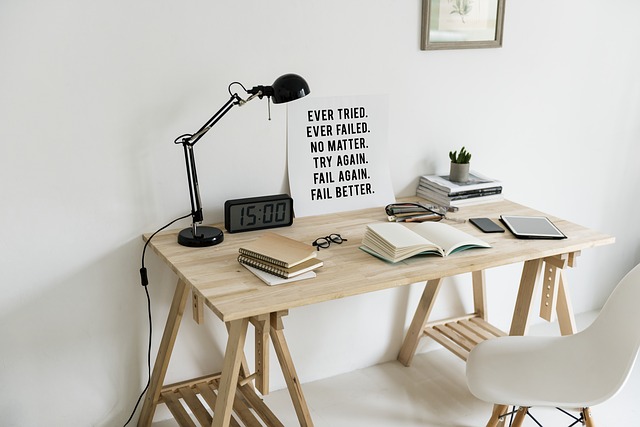
Keep in mind, this process applies mostly to those of us who need assistance with something that has come to be something of an overwhelming task. You may have no problem keeping your home organized and clean, and that is excellent. For those of you who can be described this way, my advice for you would be to think about introducing another element into your home which cultivates relaxation and comfort. Perhaps a small plant you can give attention to throughout the week, or a plaque with a motivational quote you can place on the wall where you will see it every day. Any kind of small reminder you can give yourself each day as you progress on your journey can be a huge boost in confidence.
But if you are one of many who feels you have an enormous task on your hands, let’s start from the beginning.
Step one is to step back and accept that you are going to need to take one step at a time. Don’t look at the whole house and feel overwhelmed that you can never organize it all. You need to start with one room, maybe even the smallest room.
Look around this room and think about how this stuff got there and why it is there. Does it give you a twinge of discomfort or sadness just to look at your stuff? If so, then it definitely needs to be addressed.
You will need a few different boxes or bags because different items will be destined for different futures. It may be helpful to have someone there whom you trust to help you decide which is which. One box should be labeled donation and these are the things which are in reasonably good shape that you do not need. It’s not about whether or not you may find a use for it in the future. If it’s been sitting there for months and you haven’t touched it, odds are, you really don’t need it. Pass it on.
 You will also need a bag for trash. Sometimes when we’ve developed
negative emotion associated with attachment, it can feel painful to let
go of things we’ve held on to for a long time. Think about your goals in
decluttering your environment. Weigh the importance of this or that
object against what you are trying to accomplish in your life. If the
emotional reaction attached to that object fits into the hindrance
category in your life journey, then you need to get rid of it. Maybe
someone you know can keep it for you if you can’t bring yourself to
trash or donate something. But holding onto it is only going to continue
to hold you back.
You will also need a bag for trash. Sometimes when we’ve developed
negative emotion associated with attachment, it can feel painful to let
go of things we’ve held on to for a long time. Think about your goals in
decluttering your environment. Weigh the importance of this or that
object against what you are trying to accomplish in your life. If the
emotional reaction attached to that object fits into the hindrance
category in your life journey, then you need to get rid of it. Maybe
someone you know can keep it for you if you can’t bring yourself to
trash or donate something. But holding onto it is only going to continue
to hold you back.
A third, fourth, and maybe fifth box should be present for those things you are keeping and need to organize. Maybe there is something in this room that would make more sense in another room, etc. Before reorganizing these things, you will want to get everything up off the floor or out of the room so you can properly vacuum or sweep the floors after dusting the corners of the ceiling, ceiling fan, and blinds and wiping down the tables or other surfaces throughout the room. You will find it much more enjoyable to organize and redecorate the room once it is nice and clean!
This is the process you will follow for the rest of your space. If it starts to get overwhelming, take a break. You don’t have to do it all in one day. Keep reminding yourself of what a big and important step you are taking to improve your life.
Areas like the kitchen and bathroom may prove to be the most work. Remember to remove and organize items before trying to clean surfaces, as this will only frustrate you and lead to a suboptimal level of clean. If you can afford it, you may consider having a professional cleaning service come in to clean just a few of the most challenging rooms of the house. If they are really bad, don’t feel ashamed. Just make sure you’ve removed and trashed any items that you need to be out of the way. Many services will offer great introductory rates for new customers and one-time services.
There are many options for disposing the items you’ve recognized you don’t need or use. I mentioned donation already. You can find donation boxes at stores like Goodwill or Salvation Army. Maybe there is a church you can donate to if you have items like baby clothes or toys. Another option is to have a yard sale. Make a little cash for those items and rest assured that someone else is going to get some good use out of them.
Minimalism
I’d like to introduce a concept and lifestyle that has been rising in popularity in recent years. I’m not saying everyone reading this book should immediately get rid of 90% of their things and adopt this lifestyle, but I do think that discussing this topic a bit will open your mind to the possibilities and positive mindset that minimalism cultivates.
 Minimalism is a pretty simple concept. Practitioners strip down to the
bare essentials of life to convert to the most simple and sustainable
lifestyle possible.
Minimalism is a pretty simple concept. Practitioners strip down to the
bare essentials of life to convert to the most simple and sustainable
lifestyle possible.
You may have heard of a documentary on Netflix released in 2015 called Minimalism: A Documentary About the Important Things directed by Matt D’Avella. It is a great introduction to the movement, and I highly recommend it if you are interested in learning more.
The belief systems and reasons for converting to a minimalist lifestyle vary from person to person. Many have certain beliefs and values in common, like taking care of their environments and lessening their own “ecological footprints” on the earth. Many practitioners are young adults who have “burned out” (sound familiar?) in our current economic rat race that is profession and career and simply turned to an extreme switch in focus after realizing they didn’t like the direction in which they were heading.
This realization is similar in a lot of ways to the realization you may have had earlier before picking up this book—that your current way of living with an overcrowded, overthinking mind is antithesis to what you want out of life, or to your goals, or to your happiness, or to all of these things combined. A switch to minimalism is a movement away from the overwhelmingly materialistic, chaotic, stressful lifestyle of nonstop gain. It is a dismissal of all these things that surround you which form a cage and addiction for more. When we release things that have trapped us emotionally, like a hoarder who decides to make a change and get rid of unnecessary objects, there is a huge wave of freedom and clarity waiting for us to claim. Minimalism is perhaps the most straightforward analogy for how what’s going on inside our minds can match what’s going on in our immediate environments. It can almost be described as a spiritual ritual in which you dedicate yourself to sustaining the mindset of clarity and presence every day for the rest of your life. The simple lifestyle around you is a constant reminder of the mental changes that have taken place.
One of the most powerful addictions in modern society is, of course, money. If I were to hazard a guess, I’d say your initial list of overcrowding thoughts included financial concerns, probably somewhere near the top. And it makes sense, right? It is impossible to live without money today. And everything costs more and more as we get older and the more we acquire. Those purchases which were supposed to bring us convenience and freedom turn out to be money traps—like our vehicles. Some people feel they need the biggest SUV on the market to accommodate their urban lifestyles with no kids…ok, I may be getting off track. But you see where I’m going? This culture that necessitates the more, more, more mentality leads to nothing but emptiness, confusion, sadness, and an overwhelmed mind influenced by everyone trying to tell us what we need. If we just had the latest version of iPhone, all of our problems would just disappear! If I changed my hair and got highlights, I would feel prettier and life would be easier! If I can get that job and work more hours, I will be richer and happier! The list could go on forever.
Now you are getting a clearer picture of the mindset behind minimalism. It’s not just about getting rid of stuff to save money, though that is a bonus. It’s about freeing your mind of the clutter that life throws at you—things that are falsely believed to offer the things that are only found in personal relationships and connections, reflection, creativity, belief systems, etc. Money truly cannot buy happiness. Happiness itself is a fluid thing that happens spontaneously out of personal life experiences that rarely have anything to do with money.
So how extreme does this minimalism stuff go? Well, if you’re interested, there is a whole new world of what are called “tiny homes” which have been growing in popularity. Now, I’m sure at this point this is probably way too extreme for you, but it’s still a fascinating thing to check out if you’re curious.
Tiny homes are just that—very, very tiny. They can be as small as your bathroom and contain only the very bare minimum of modern comforts. You have a place to sleep, a place to cook simple meals, perhaps a small area to store a very, very small number of possessions and…that’s it! But when you think about it, it isn’t all that far off from RV living, which is another very popular way to gain freedom from the pressure and financial strain of the modern world. (An RV doesn’t offer much more than a tiny home—plus, it’s mobile!)
The idea is that human beings really don’t need all this stuff marketers tell us we need. We can actually live on a very simple regimen of simple, healthy, environment-friendly food and the joy of being around people we love. Applying this principle to your own life may help you to see how frivolous and unimportant many of your past concerns and worries were. We are conditioned to feel an emptiness and to feel the need to fill that emptiness with things. When those things begin to clutter our homes and personal environments, we can see a direct parallel between this environment and the one inside our minds. Decluttering your home and making way for a fresh new start is invaluable in supporting the effort of decluttering your mind. Take the time you need to complete this important step, and soon you will be ready to build upon the new and improved you.
Once you’ve made strides toward decluttering your home, you will find you are not only able to move more freely about your space, but that your thinking becomes clearer, too! All of these steps are included together for a reason and will work together for you as you progress.
Once you’ve reached this place, look around your home and take a deep breath. This is your new canvas for creating your life the way you’ve always wanted to live it.
The next step in our journey is to start concentrating on how to form good habits that will cultivate your continued victory over information overload and overthinking. This is a place many people never get to, so give yourself a big pat on the back. This may also be a good time to think about the people in your life to whom you are closest. Do you have a loved one or a close friend who seems to be in the same boat you’ve been in terms of overthinking and information overload? Perhaps you could recruit a partner to help you as you work on forming good habits. Along the way, you just might drastically improve another life in the process!
[]{#calibre_pb_39 .anchor}
Chapter 6: Form Good Habits
Focusing on getting rid of the bad habits isn’t enough. Now, we need to introduce good habits into our new life.
I hope you’ve continued to work on the thought interruption for all those unneeded or negative thoughts. You’ve even come up with a new activity to try or go back to from when you were a child. It’s time to focus on you as a person and what it is you want out of life. There are several things you can do regularly to prime your mind, body, and spirit for the new you. Let’s look at a few of them.
 Prioritize relationships with people—not things
In today’s information-saturated society, it has become natural to pull out our phones whenever there is any amount of downtime. When you look at people waiting in lines all over the city, in stores, waiting to be seated in restaurants, they are always sitting or standing with their heads down, noses in their phones. And why not? On our phones, we can play fun games, chat with friends, read blog posts or news stories, keep up with our celebrities… Wait a second, didn’t we just talk about getting rid of information overload? That’s right. Now, it is time to prioritize your relationships and interactions with other people. Let’s set a small challenge for you to try this week.
When you go to the grocery store or to the bank, or maybe even when you take your family out to dinner next time, leave your phone in the car. What?! Yes, that’s what I said. Leave your phone in the car. When you are standing in line—and this may be a little nerve-wracking—try saying something nice to the person behind or in front of you. I know…you might get a confused look, maybe they will be too immersed in their own phones to notice you, or perhaps it will have been so long since they’ve received real human communication they won’t even know what to do. But I challenge you. Talk to someone in line, then see what happens. Odds are, you’re going to have a positive interaction that will stay with you for the rest of the day. Most people really enjoy chit-chatting with strangers at the store. A lot of people get a big boost in mood from even the littlest interactions like that. No matter how good it seems to feel when you get a new text or a like on your Facebook post, it’s never going to feel the same as genuine human interactions. So, do yourself a favor and challenge yourself to connect with someone you don’t know at least once a week.
Now let’s concentrate on the relationships in your life with your loved ones, friends, and/or family. Think of one person who you consider a good friend that you haven’t spoken to in a week or more. Why is that? Is it because you’ve been busy with work? Busy with the kids? For whatever reason, you’ve decided that other things in your life take precedence over your relationship with that friend. I would ask you to consider if you’ve really been too busy to fit in a 15-minute phone call with a friend. Perhaps you think you’ve been too tired after work and just haven’t made it a priority. This is something I would challenge you to change in terms of mindset. Human relationships and friendships are the most important aspects of our lives, and it would be a shame to sacrifice valuable time with those people for a night of Netflix and pizza every single night of the week. I know work is exhausting, and you want to come home and just watch TV and forget about the world. But we’ve talked about this, too. Why would you waste away your life like this? If your job is so taxing that you can’t concentrate on anything else and you are so desperate to get away from it that you can’t function in the evenings, maybe it’s time to reevaluate your career choices. But I’ll wait until we get to that tip in a few minutes. Right now, your challenge is to set a date this week to go out and meet up with one of your favorite people for a chat and maybe dinner. If you don’t want to spend money, invite them over to your place and plan a meal together. Maybe you want to go over there because their house is quieter…that’s fine! Whatever you decide to do, the important thing is that you set the goal of making time for a friend this week. This is a really great habit that you will get a lot out of. Much more than that pint of Moose Tracks ice cream in the fridge can offer!
Maintain that journal and track your progress
Journaling is a great way to keep your mind focused and record your progress. It’s great to have a written source to come back to any time you feel like you need a little encouragement. Try to write a little bit in your journal every single day. Write about how you feel, what challenges you’ve succeeded with recently, and your determination to keep going. This is also a great way to keep yourself accountable. Write down what you’ve challenged yourself to do this week and write it down right away when you’ve completed it. Keep going, and soon you will have pages of great work to look back on when you feel you are losing steam or need a pick-me-up. Because we all have those days and that’s okay! Like I said before, this is a big undertaking. And it’s important that your challenges not turn in to chores and sources of overthinking just like the ones you’ve worked so hard to banish! Challenge yourself, but don’t over-burden yourself. Do not try to take on every single tip in this chapter at once! I’m laying out several options in the hopes that there will be a few that really stand out to you as something you think would drastically improve your daily life and your thought processes. And remember, no one changes their lives overnight!
 Keep in mind that your journal doesn’t have to just be filled with
words. If you’re like me and you enjoy motivational quotes or inspiring
pictures, use your journal or notebook as a sort of scrapbook and
include pictures, quotes, cartoons, even stuff like ticket stubs and
birthday cards, stuff you might otherwise lose or throw away. These
things are a lot of fun to look back on, and you will be happy you kept
them later on.
Keep in mind that your journal doesn’t have to just be filled with
words. If you’re like me and you enjoy motivational quotes or inspiring
pictures, use your journal or notebook as a sort of scrapbook and
include pictures, quotes, cartoons, even stuff like ticket stubs and
birthday cards, stuff you might otherwise lose or throw away. These
things are a lot of fun to look back on, and you will be happy you kept
them later on.
Eat healthier
Eat healthier—not “eat healthy.” I put it this way because there is no surer way to derail your progress than to overload you with a challenge like completely changing the way you eat immediately. If you are already a pretty healthy eater, that’s great! But I would caution you and others alike to not get too caught up in any nutrition hype or fad that seems to be eating up your Facebook and social media feeds. This is another great example of letting something intended to improve your life become a source of obsession, overthinking, stress, and feelings of failure. Nutrition plans and supplement marketing is just as big as any other form of marketing, and you should never adopt a diet or nutrition plan as the final say of nutrition. Use some common sense, don’t overeat, and try to eat more healthy stuff than unhealthy stuff. That’s really all you need to worry about right now. Don’t go on an extremely low-carb diet right now. You’re dealing with something far more important than that.
If you’re wondering what a healthier eating habit looks like, I would suggest keeping a record of what you eat in a day for two or three days. Then review it. Is something standing out as potentially harmful? For example, if you’re eating frozen pizzas and cookies every night and notice you feel like crap, this could be a good reason why. I’m not saying eat salad and quinoa every day, but everyone can make one or two small changes to their eating routines and see a big improvement in overall energy and mood. Try to lower your sugar intake and eat a few more green things a week. That’s all you need to do to start. Small steps, like anything else, will see you go far.
Exercise
It’s time for everyone’s favorite healthy mind/body tip—exercise! Now, don’t groan. Let’s discuss it a little. No, you don’t have to start training for a marathon or buy a complete set of dumbbells for your new impromptu home gym. I’ve said it before, and I’ll say it for nearly every tip on this list—one small step at a time. When you break things down and take it one step at a time, you will be far more successful with your goals than if you try to take on too much at a time. It is also so important, especially with exercise, to evaluate your personal condition and ability. Don’t compare yourself with the YouTube fitness stars doing crazy workouts every single day and chugging protein shakes. This is about you and your personal improvement, and no one else’s plan is going to match yours perfectly.
Just like with the healthy eating habit, the first step is to take a look at what you are already doing and move up a rung on the activity level. That’s all. If you’re someone who enjoys working out but doesn’t seem to find the time to do it, then I’m calling you out! Exercise is not about the length of time, it’s about how hard you work, and I’m only talking a few minutes each day to start. If you are starting at zero activity, then your goal is simply to think of opportunities to walk or stand instead of sit. If you can, fit in a walk around the block or go to a park and walk a little bit. If you’re at home, get up from your desk and do something physical every hour or two to get your blood pumping a little more. It’s about making small changes. Turn those small changes into habits then concentrate on moving up another rung.
 A lot of people think they need a pricey gym membership to get in better
shape. This is just not true. There are tons of exercises you can do at
home with zero equipment and little space that are very adequate for
improving overall health. Maybe you’re a unique case if you’re actually
training to compete in body-building competitions. But most of us are
going to see a huge improvement in mood, energy, and overall health from
simply turning some of that sitting time into a little exercise. Search
the internet or go on YouTube if you are unsure of what to do. Things
like squats, push-ups, sit-ups, plank holds, jogging, walking, running,
and dancing require zero equipment and can be done almost anywhere you
feel like it. If you think it would motivate you if you had a partner
alongside you, go for it! Go to a group fitness class every week if you
think that would be more fun. The main goal is simply to add some
physical activity to your schedule that amounts to more than you were
doing before. Again, don’t overwhelm yourself by trying to start a
30-day challenge or extreme 5-day workout schedule. Your focus right now
is your mind—don’t clutter it back up where you’ve worked so hard to
find clarity.
A lot of people think they need a pricey gym membership to get in better
shape. This is just not true. There are tons of exercises you can do at
home with zero equipment and little space that are very adequate for
improving overall health. Maybe you’re a unique case if you’re actually
training to compete in body-building competitions. But most of us are
going to see a huge improvement in mood, energy, and overall health from
simply turning some of that sitting time into a little exercise. Search
the internet or go on YouTube if you are unsure of what to do. Things
like squats, push-ups, sit-ups, plank holds, jogging, walking, running,
and dancing require zero equipment and can be done almost anywhere you
feel like it. If you think it would motivate you if you had a partner
alongside you, go for it! Go to a group fitness class every week if you
think that would be more fun. The main goal is simply to add some
physical activity to your schedule that amounts to more than you were
doing before. Again, don’t overwhelm yourself by trying to start a
30-day challenge or extreme 5-day workout schedule. Your focus right now
is your mind—don’t clutter it back up where you’ve worked so hard to
find clarity.
Make time for you regularly
This is another one that can mean lots of different things to different people. Making time for you simply mean setting aside time every day to engage in an activity that makes you feel good and calm you. The exception I’m going to suggest here is that you don’t make this chocolate or junk food time. Yes, chocolate makes you feel good…for a few minutes…but overall, it would be a terrible idea to form the habit of eating badly in the name of “you” time. I’m sure there are other, more healthy alternatives!
Do you enjoy massages? Of course, most people aren’t going to get a massage every single day, but maybe once a month you treat yourself to a professional massage. On a daily basis, find something that relaxes you and set aside half an hour or more just for that. Even if it’s just taking a nap! Read a book, light a candle, do something that clears and relaxes your mind and doesn’t work you up. This is about unwinding, but instead of replacing the stress of your day with something loud and distracting for the rest of the night, the goal is to calm and quiet your mind and body. Stretching is a great way to do this, especially if you’ve been stuck in an office chair all day. Maybe you just want to have a conversation with your partner or a friend over a cup of coffee. If you need to, brainstorm on a piece of paper before choosing something that speaks to you.
To-do lists
Many of us like to have every day organized and that’s great. The problem of overthinking creeps in when we start to obsess about getting every single thing on the list done, even those things that are not essential. Part of forming good habits is learning when to say no to something that you just don’t have the mental energy to do if it is non-essential. If you feel stressed but you’re making strides toward changing your life and habits, then it’s ok if you want to pass on that work outing or that birthday party for a friend of a friend you don’t even know very well. If you think your time would be better spent at home relaxing or doing something you enjoy, then choose yourself. You don’t always have to choose to give your valuable time and energy to others just because they ask for it. Obligation is a powerful force in a lot of people’s lives, and many people end up feeling guilty if they don’t always say yes to invitations or requests. But this is just another pile of clutter building up in your mind leading to overthinking. Feelings and thoughts of guilt are just as powerful as any other emotion, and you should protect yourself from them.
Organize your to-do list by priority. Obviously, grocery shopping to feed your kids comes before trimming the hedges in the front yard and this chore should be further down on the list. Maybe make a separate list for things you need to accomplish today and things that need to be completed this week. This will give your mind a little more space and comfort. Instead of seeing a list of 20 things to do today, you may get to 5 or 6 things today and the rest can be planned throughout the week as you have time and energy.
Ask for help when you need it
This can be a big one for those overthinkers who are also overachievers and perfectionists! Sometimes, we commit to too much, then feel obligated to push ourselves too hard to fulfill what we’ve committed to. Don’t try to be superman or superwoman. There are going to be times when you need help, especially if you are juggling responsibilities with work and also a family. Have a conversation about it with your loved ones and friends, and you will find that most of the time they are willing to help you out. It is important that you not feel like a failure for asking for help. No one gets through life alone. Let this be an opportunity to bond and form fresh connections while learning to work together. You will feel much better and your relationships will become stronger.
Be grateful
Clearing your mind of clutter is also about cleansing your emotions. When you begin to get rid of clutter and negative thoughts in your mind, as well as clutter in your environment that is connected to harmful emotions, it is important that you start replacing those negative feelings with positive ones. At first, it may take effort and a written reminder to get yourself going, but eventually, the goal is to make these thoughts automatic.
Gratitude is a powerful thing for the mind. It can instantly turn a stressful, bad day into something positive and hopeful. Instead of concentrating on the challenges you are facing and the things you don’t have, think about all of the wonderful things in your life that you can be thankful for. Even the small things. Is the utility bill paid for this month? That is something to be thankful for. Do you have friends who care about you and that you have fun spending time with? Lots of people don’t—so be grateful. Is your bed nice and soft with clean sheets? Look forward to sleeping tonight and be grateful. There are a thousand reasons all around you to feel grateful and it is important to start noticing them, each and every day.
Gratitude comes with a lot of wonderful, warm feelings. It also forces you to refocus your mind on what’s going on right in front of you and around you in the present moment. A lot of us get stuck in thinking about yesterday or the week before or even years before…then our minds shift to tomorrow and what’s happening this weekend and next month and next year… How often do you just sit down and look around you and feel thankful for where you are in life? This is so important and I hope you make this one of your top priorities as you build new positive life habits.
Chapter 7: Remove Negative Influences
This may be one of the toughest chapters, and I’ve waited to write on this topic until this point because I don’t want you to feel overwhelmed. Having a little momentum going before getting to this point may help you see clearly, now that you’ve taken a step back, evaluated your thought processes, and begun to change them through better, healthier habits.
 Removing negative influences from your life encompasses a great deal of
space that is filled with different things from person to person.
Negative influence does not look the same for everyone, so again, it is
important that you not get caught up in comparing yourself with others.
No one out there is better than you because they don’t struggle the same
way that you do. I guarantee all those people who appear to be living
perfect lives in social media are struggling with their own personal
obstacles. Just as we’ve focused before in previous chapters, it’s time
to focus on you and to chase out those distractions that are holding you
back, or worse, forcing you to move backward.
Removing negative influences from your life encompasses a great deal of
space that is filled with different things from person to person.
Negative influence does not look the same for everyone, so again, it is
important that you not get caught up in comparing yourself with others.
No one out there is better than you because they don’t struggle the same
way that you do. I guarantee all those people who appear to be living
perfect lives in social media are struggling with their own personal
obstacles. Just as we’ve focused before in previous chapters, it’s time
to focus on you and to chase out those distractions that are holding you
back, or worse, forcing you to move backward.
Go ahead and get out that list from a few chapters back detailing all of the sources and causes of overthinking in your life. You may have mentioned things that have happened to you in the past that you continue to carry with you, past trauma, or bad treatment from others. Maybe you wrote down things like a bad boss at work, or friend who keeps trying to get you to get high with her, or videos in your social media feeds that show you images of the person you’re supposed to be and it’s making you sad. Now that we’ve walked a few steps forward in the process of turning overthinking into focused achieving, it’s time to look at your life and determine how many of those negative influences are still present. You may have eliminated some big sources of overthinking, stress, and negative emotions, but are there a few still present in your life that is holding you back from your goals? For each reader, this list is going to look very different and I’m not trying to take the place of a counselor. But with a clearer mind, you should be able to see how certain influences continue to cause you more harm than good. It is up to you to make changes in these areas, but I can offer a little advice for you along the way.
First of all, it’s never easy to cut ties with something or someone who has been present and comfortable in your life for a long time, even if this presence is ultimately harmful. A lot of times, people see what they want to see and avoid anything too challenging. That’s probably where you were at the beginning when you first decided it was time to make a change.
Getting rid of negative influences in your life is very important to your progress. It is very easy to embark on a journey like this, succeed, then slide back based on the negative influences you let take ahold of your life again. Confidence is important, but it is also important to not underestimate the power of other people and influences in your life. Even the smartest of us are fooled sometimes, whether it’s a marketing scam or a lie from someone we trust. If there is someone in your life who is having a negative influence on you, it may be time for an important conversation.
Talking to friends
First, let’s talk about how to approach friends. A lot of times in a strong friendship, we learn to overlook little things about the person’s personality or character that we may not think are perfect. Nobody is perfect, and your friendship is more important than a lot of those little imperfections. You may have had bad arguments and disagreements, but if your relationship has lasted through these, you know that the bond you have with the friend is very strong. But sometimes, the things we overlook are actually a lot bigger than we make them out to be and need to be addressed.
There are many different kinds of negative influences that can be introduced from a friend. Your challenge is to determine whether these negative influences are hindering your progress toward becoming a happier, more functional person. If the answer is yes, as hard as it may be to accept, it may be time to have a talk with your friend about removing the influence, or else cutting ties completely.
This is never an easy decision to make and it may hurt at first. But if you give yourself a good amount of time to think it over and keep coming back to the same hard truth, it really is a good idea to move away from that influence.
Try not to make the meeting confrontational. Even if the discussion ends up being a difficult one, the best way to approach it is through the lens of how much you value the good times you’ve had with your friend. Sit down together and approach the subject by explaining thoroughly what you are trying to do in your life. Explain that you are making a lot of difficult changes in order to live a fuller, healthier life. Explain that you’ve struggled with the same mindset for so long without results, and now it’s time to remove influences that are keeping you from your goals.
 It may not be so serious as to have to cut ties completely with your
friend. Perhaps it is just a behavior or tendency that you need to ask
your friend to stop bringing up around you. If they tend to gossip
nonstop and talk negatively about other people and you find that this
feeds your cycles of obsessive thoughts and overthinking, then tell your
friend you don’t want to talk about those things with him or her
anymore.
It may not be so serious as to have to cut ties completely with your
friend. Perhaps it is just a behavior or tendency that you need to ask
your friend to stop bringing up around you. If they tend to gossip
nonstop and talk negatively about other people and you find that this
feeds your cycles of obsessive thoughts and overthinking, then tell your
friend you don’t want to talk about those things with him or her
anymore.
Perhaps it is drug abuse, alcohol abuse, or some other physically harmful influence your friend keeps bringing around you. In both of these situations, a friend who truly cares for you and your wellbeing will understand as long as you approach from an honest and genuine place. Don’t come out accusing your friend of purposely causing you harm. They may believe their lifestyle works for them and they have no intention of stopping. But that doesn’t mean they won’t be willing to adjust their behavior around you in order to help you reach your goals.
Think of another possibility. You may begin talking to your friend or friends about what you are trying to do with your life, and they may light up at the idea of trying it themselves. Through having an honest discussion with your friends, you may just gain a strong ally and partner to continue down this path to clarity. Don’t be afraid to talk from a place of vulnerability and earnestness. You may just prove to be a powerful and positive influence on their lives in return!
Talking to a loved one or partner
Talking to a friend about how they may be negatively influencing you in some way is hard, but talking to a loved one or partner is probably going to be far more difficult. If you are lucky enough to be surrounded by supportive, positive influences in your life, then count yourself very fortunate indeed.
However, if you are suffering in a toxic relationship to any degree, it is very important to address the problem as soon as possible. And while grappling with a decision of whether or not to cut ties with someone close, it is important not to confuse something that is fixable through discussion and communication with those things that are not. Everything needs to begin with clear, honest communication. Research shows that a large percentage of marriage problems stem from bad communication habits. Miscommunication can turn a minor misunderstanding into something devastatingly painful. If something your partner or loved one has said or done caused you pain, perhaps it was simply a miscommunication on their part. This won’t be the case for everyone, but if you’ve experienced a mostly positive, supportive relationship with that loved one, then there is a higher chance that it is something as simple to fix as miscommunication.
However, if you’ve experienced a long history of constant abuse in one form or another, then it is time to gather up some support and confront the negative influence head-on. Don’t disappear without a conversation unless the current situation is putting you in physical danger. If this is the case, it is imperative to leave the situation immediately.
But if it is a matter of breaking up with a boyfriend or communicating with your partner or loved one about how to break some bad habits that are hurting you, your best route is to set aside a large amount of time for some serious discussion. Again, it is going to be very important that you not begin the discussion by being confrontational. Be honest and offer some background and context for why you need to talk. Confusing your loved one is not going to help you.
As with a situation where you need to talk to a friend, honesty and vulnerability are the best policies. Don’t do all the talking, give your friend or loved one a chance to talk and explain how he or she is feeling as well. If the relationship has strong redeeming qualities and is worth working on, then you should end up at some kind of understanding and agreement for moving forward.
Give yourself time after a break-up or cutting ties
If your decision was to break it off with the negative influences in your life, then you need to give yourself some time to recover and move through those emotions. Don’t try to get right back up where you left off if you are hurting and need time to grieve the loss. This is completely normal, even if what you’ve rid your life of was negatively affecting you. Human beings are creatures of habit, and anytime a regular presence is removed abruptly from our lives, we’re going to feel effects as we readjust. You may need a day or two or a couple of weeks or even a month. This is okay. When you are ready, come back and refresh yourself on your goals and keep moving forward.
The worst thing you can do is try to cushion your emotions with a rebound. There is nothing more harmful to you or another person than using someone else and their emotional attachment just to soothe your own emotions. Even if this is tempting, it is important to support yourself and find more healthy tools for moving through your feeling of loss after a bad relationship. Trust and depend on those people in your life who will love and support you. Don’t turn to a stranger.
Other negative influences
Now that we’ve gotten through some of the tougher topics, let’s talk about some other possible negative influences that may still need to be addressed in your life.
We talked a bit about healthy eating in the chapter on healthy habits. Bad food habits are some of the most difficult habits to break because they are so immediately gratifying. The same is true for habits like drugs and alcohol, which offer immediate feelings of inhibition and euphoria. Don’t let guilt come into play as you evaluate your food habits. Everyone struggles with eating healthily, and the fact that you can’t seem to stop getting that chocolate bar from the vending machine at work every day doesn’t make you a bad or weak person. The fact that you recognize it as a bad habit is a great place to start.
 Here it is again—take baby steps. Don’t decide that from now on, after
having eaten chocolate every day for the past two years that you are
going to never touch chocolate again. I promise you…it isn’t going to
happen.
Here it is again—take baby steps. Don’t decide that from now on, after
having eaten chocolate every day for the past two years that you are
going to never touch chocolate again. I promise you…it isn’t going to
happen.
Instead, limit your chocolate intake by one day per week. That’s right. If you literally eat a Twix bar or something every single day, choose one day out of the week and set a goal of not eating chocolate that day. It’s as simple as that to start making healthy changes to your eating habits. Although this chapter is all about removing negative influences completely, we still must consider that changing behavior and eliminating bad habits is not something that happens overnight.
If you buy your chocolate at the same place every day, then there are additional steps you can take to help you start eliminating this habit. Find a different route to your desk, even if it is longer, that does not pass that vending machine or the snack counter or the cafeteria at work. Obviously, this will be adjusted according to your environment, but just seeing a place that offers chocolate is a bad influence on your behavior because seeing that place triggers in your brain that it is time to eat chocolate.
The same principle applies to advertising. When you see those images of juicy hamburgers in TV commercials, it’s not just because they’re trying to show their products—they are subconsciously influencing your cravings and placing a connection in your brain that associates being hungry and craving hamburgers each time you see this commercial.
To remove this negative influence, try to limit your exposure to these ads. It may be difficult, as these ads are everywhere. But with a little creativity, I’m confident you can find ways to remove a lot of this influence from your day-to-day routine.
As we’ve discussed previously, a lot of negative influence stems from media and the images we find there which affect us emotionally as we associate positive things with the advertising we are bombarded with every day. Removing as much of this influence as possible is going to do a lot toward improving your self-esteem and positivity. And again, all it takes is one small change at a time.
For example, at the grocery store, instead of staring at the magazines and perfect bodies on the front covers, challenge yourself to listen to the voices around you, maybe strike up a conversation with someone else in line as we’ve discussed before. This is going to remove the pattern of seeing an image and immediately judging yourself in comparison with what you see.
The same influences exist on your phone and other mobile devices. It may be harder to avoid these ads, but a good start would be to go through your social media feeds and stop following personalities who advertise workout or nutritional products and then flag ads that keep appearing in your feed that you don’t want to see anymore. And, of course, the best way to remove this negative influence from your life is going to be limiting the time you spend on your phone in general. Replace the hours you usually spend on the internet with something more mentally healthy, like something from your new list of interests and healthy habits to introduce into your life. It may be difficult at first, as breaking off any bad habit always is, but you will immediately start to see and feel the positive difference of clearing your mind of those influences.
Another negative influence may be difficult to pinpoint at first, as they present themselves as helpful and vital to self-improvement. If you are prone to listening to someone else in your life and seeking out their advice, it may be time to try and break off that dependency in favor of becoming more independent in your thought process and habit forming. Like I said before, no one knows you better than you do, and just because something works well for someone else, doesn’t mean it’s going to work perfectly for you as well. So, stop watching Dr. Phil and get out your journal. Listen to your mind and body. It should be a lot easier now that you’ve done so much to clarify your path to a better you. Also, be proud because you’ve done all the heavy lifting yourself!
Changing your job or career situation
In the realm of negative influence, nothing can be more insidious than the slow, gradual death of working a dead-end job. If you left high school or college with big ideas and plans for your life, only to see them disappear as you settled for that boring but dependable job at a company you don’t even care about, it may be sucking you dry of any and all motivation, passion, and energy.
If this is you, rest assured that you are not alone. Our society today encourages and even praises those figures who are willing to work themselves to the ground for a nice paycheck. We are inundated with the message from a young age that success equals money and responsibility. But, as we’ve already reflected on, the more you gain, the more you clutter your mind and home and the more stress you introduce into your life.
Life isn’t about gain. As we discussed in the previous section on minimalism, fulfillment in life does not come from possessions or climbing a ladder in a career. If the career is not something you love or are passionate about, it’s not worth your entire life’s commitment. Life is way too short for that.
This may be the last and biggest obstacle standing between you and your new self. As we near the end of this book and your new confirmation as a refreshed human being with a clear mind ready to be filled with positive influence and experience, make sure that the one place where you may be spending the majority of your time throughout the year is somewhere you truly want to be. Don’t do this or pursue that because other people tell you it’s the right thing to do. Do it because it’s where you want to be.
Chapter 8: Mindfulness
As we approach the end of this journey, I hope that by now you have learned a great deal about yourself, your emotions, and your personal way of thinking on a daily basis. Hopefully, you have become intimately familiar with the areas and experiences in your life which trigger overthinking. The interruption technique we went over earlier is an invaluable tool for breaking the cycle of overthinking, and cultivating new, healthy habits on a daily basis is a great way to replace those old useless habits.
There is a lot to gain from taking a breath of fresh air outside in a park or reading a book rather than inundating your mind with pointless and depressing social media and news feeds. You’ve addressed the negative influences in your life, from magazines to friends, and you’re starting to feel like a new person ready to realize your dreams. I also hope you’ve learned something about your chosen occupation or career path and, though this is probably the hardest area to make changes, I hope that you’ve either reaffirmed your joy and satisfaction with your current job situation or have taken steps towards finding a new path that is specific to your skills and what makes you happy.
The final skill I’d like to introduce in this chapter is all about mindfulness. There are three forms of mindfulness I would like to discuss, though they are all closely related and are a part of each other. Mostly, I want to mention all three because they are often interchangeable, and if you do not recognize one, I’m sure you will have heard of another. They are mindfulness, meditation, and positive thinking.
Now, it’s true that you may think positive thinking is not the same as mindfulness and meditation, but in a lot of ways, I do consider positive thinking to be a form of meditation and I will explain in a bit. First, let’s define mindfulness a little more clearly.
Mindfulness
When I say the word “mindfulness,” many people often think automatically of the phrase “paying attention.” If this is what you thought of, you’re not wrong! Paying attention to what you’re doing, your environment, and how you’re feeling is an important part of practicing mindfulness. But it does go deeper than just paying attention, and for most, it is more difficult than it sounds.
 Mindfulness is a practice of being present, not just for a minute or
two, but throughout the day, every day, over the course of your life.
The goal is to maintain mindfulness all the time, though we all accept
that we are not computers or robots and there will be times when we lose
focus or our minds fill up with other emotions and feelings that take us
away in reaction to life events. A parallel can be drawn with a
religious mindset. In the Christian mindset, followers accept that they
are human and will make mistakes, while at the same time doing their
best each day to maintain a sinless, righteous, and faithful existence.
Just because we know we will make mistakes; doesn’t mean we don’t try.
And this is why the long-term effects emotionally, spiritually,
physically, and emotionally are well worth our efforts. So, let’s look
at what mindfulness has to offer us and then we’ll learn how you can
integrate the practice into your own life.
Mindfulness is a practice of being present, not just for a minute or
two, but throughout the day, every day, over the course of your life.
The goal is to maintain mindfulness all the time, though we all accept
that we are not computers or robots and there will be times when we lose
focus or our minds fill up with other emotions and feelings that take us
away in reaction to life events. A parallel can be drawn with a
religious mindset. In the Christian mindset, followers accept that they
are human and will make mistakes, while at the same time doing their
best each day to maintain a sinless, righteous, and faithful existence.
Just because we know we will make mistakes; doesn’t mean we don’t try.
And this is why the long-term effects emotionally, spiritually,
physically, and emotionally are well worth our efforts. So, let’s look
at what mindfulness has to offer us and then we’ll learn how you can
integrate the practice into your own life.
Think about how you feel after you successfully banish a needless or hurtful thought and replace it with a new, positive one. It makes you feel good, right? And it also gives you a sense of clarity, like a big mess has just been cleaned up from the floor of your mind. The same thing happens when we learn to practice mindfulness. Only with mindfulness, there is a bonus.
Practicing mindfulness consistently leads to a feeling of potential, of hope, and of looking forward with a fresh pair of eyes. You are moving forward with a clear mind and you are taking stock of each second that passes you by. So, when I talk about a feeling of potential and looking forward, I’m not talking about looking forward to the next day or weekend or month. I’m talking about moving forward, step by step, minute by minute, feeling and seeing everything around you and feeling each moment as it passes. There is a feeling of happiness and satisfaction that follows because you are getting rid of the thoughts that have no use for you in this moment. And your mind is thanking you.
Your heart and soul are thanking you. There is so much to sense and be grateful for here and now. Mindfulness is all about bringing in your perspective to these close quarters, small-scale way of thinking, and in the process, the whole world opens up to you.
So, how do you start practicing mindfulness? Well, the biggest task here is going to be honing the skill of focus. But there’s good news. If you’ve been able to practice the interruption technique and replace your negative thoughts and emotions with positive ones, then you’ve already done a lot to cultivate this skill. Focus comes from the mental effort of sharpening your thinking and scaling it down to a single task without letting your mind wander all over the place to things that are not helping you perform that task. As I’ve discussed before, you don’t want to fall into the trap of trying so hard that this exercise becomes a chore and a source of worry for you. Everyone who is new and first being introduced to mindfulness is going to move forward and improve at a different pace because we are unique human beings. And that’s perfectly ok. As with everything else in this book, the key is to take small steps at a time.
A good exercise in practicing mindfulness is simply to go outside and experience nature. Go to an area of a park that is generally quiet and take a seat at a bench or a picnic table. Take a few deep breaths and quiet your mind. Give yourself a minute or two to accomplish this. While you begin focusing your mind, listen to the sounds going on around you, the dogs barking, or the wind blowing through the trees. Feel the breeze on your face or the heat from the sun beating down on you. Feel your body in space. Make sure you are sitting in a comfortable position. Close your eyes as you begin. Then, as you start to appreciate and focus only on what’s around you, slowly open your eyes. Look around and take in what you see without forming thoughts around them. Again, this may not come naturally, but gradually with practice. Appreciate the beauty around you, whatever it is you see. If you don’t have a nice park to go to, you can do the same exercise in your own backyard or neighborhood. Listen to the birds or the kids playing down the street. Try to focus only on sensations without forming thoughts about them or letting your mind wander. As you make time to practice mindfulness just for a few minutes each day, you will start to notice that it is getting easier the more you practice.
Meditation
A discussion on mindfulness follows naturally into a discussion of meditation because they are closely related. To me, they are part of each other while indicating different practices.
Meditation, for many people, translates to practicing mindfulness throughout each and every day. To others, meditation means a dedicated space of time each day or week that is used for formal meditation practice from a specific school of thought or philosophy. For example, Zen Buddhism. I will mention a few different styles of meditation but will be discussing Zen in particular because it is the form with which I am most familiar.
The same exercises you’ve practiced in nature can be applied to a practice of meditation. Since most people associate meditation with the image of sitting in a quiet room with your eyes closed, let’s look at how you can start practicing meditation in your own home by following a few simple steps.
Depending on your physical ability, find a comfortable position where you can sit with your back relatively straight. Your arms should be relaxed at your sides, and your neck should not be strained. A simple Google search will go through the more formal sitting structure if you are interested in this, but for right now, we will take a casual approach to the physical technique and focus more on what’s going on inside your mind.
 When we discussed mindfulness, we talked about sensing the world around
you and concentrating only on what is happening to you in the moment.
Meditation is similar, except that, in the discipline of Zen meditation,
the goal is not to restrict one’s thoughts, but instead to resist
sticking to individual thoughts as they enter and exit your mind. The
core emphasis is still to focus on the present, but the philosophy of
Zen is to not restrict the mind but to instead free the mind and let it
remain fluid while returning consistently to the present experience.
When we discussed mindfulness, we talked about sensing the world around
you and concentrating only on what is happening to you in the moment.
Meditation is similar, except that, in the discipline of Zen meditation,
the goal is not to restrict one’s thoughts, but instead to resist
sticking to individual thoughts as they enter and exit your mind. The
core emphasis is still to focus on the present, but the philosophy of
Zen is to not restrict the mind but to instead free the mind and let it
remain fluid while returning consistently to the present experience.
To illustrate this, have you ever caught yourself or a friend has caught you zoning out, staring blankly in front of you, while your mind drifts and starts to have a dialogue with itself regarding something you said yesterday or something embarrassing you might have done years ago? The thought process has taken you completely out of the present, and now you are lost in a replay of moments that have already happened, things that cannot be changed. But still, you dwell on those moments as mistakes and worry about what people think about you, while in reality, they probably don’t even remember those insignificant events. Sound familiar? We all do it. The ultimate goal in meditation is to avoid those sticky thoughts that try their best to take us out of the present and into the past or the future—spaces that either cannot be changed or that we cannot predict. The brain likes to know things and form patterns in an effort to predict and make sense of our lives. But we can get wrapped up in this to the point that we miss life as it is happening in the present.
Zen is all about acknowledging the wandering nature of the mind but also accepting the core principle of impermanence—everything changes, even the thoughts in your mind. Dwelling on a single thought or feeling or emotion is useless and irrelevant in an impermanent world and will only hold you at a standstill.
This may not make perfect sense yet, and if you need to start with the absolute basics, go back to that phrase we brought up in the beginning of this chapter—
Just “pay attention.” Look around, feel yourself in space, listen, appreciate. That’s really all you need to focus on to get started. As with all of these positive habits, you will soon form a new addiction to the positivity that mindfulness offers. After this point, meditation will follow naturally.
As I mentioned, meditation can take many forms and you should not feel like there is one right way to meditate. Many practice mindfulness and meditation through movement to music called dance meditation. Other people, including Zen Buddhist monks, practice “walking meditation.” Movement often helps regulate and soothe the mind as we introduce patterns of movement that flow just like the free-flowing of our thoughts. Whatever your style and preference, just remember why you’re practicing in the first place, and there is no “doing it wrong.”
Positive Thinking
Positive thinking links right in with the thought technique where we were interrupting negative thoughts and introducing positive ones. But with positive thinking, the idea is to cultivate the positive thoughts first, instead of waiting and using them as a reaction to negative thoughts. This is another practice that will look different from person to person. It also should not be an overwhelming concept that discourages you from trying it.
Simply put, positive thinking means you practice waking up and thinking about each day as a fresh, new, unpredictable day rather than dreading what you think you know is already going to happen. Nobody knows the future, and even if your routine seems pretty set in stone, when you form the habit of dreading something each day in connection to work (which is something I hope you’ve already addressed!), then you close yourself off to experiencing surprising things or things that would give you joy. You may recognize what I’m talking about with an example. Think of Mr. Scrooge from the classic Christmas tale, “A Christmas Carol.” It’s Christmas eve and there are children laughing and playing in the snow, people shopping and sharing Christmas cards and talking joyfully with strangers. But then there is Mr. Scrooge trudging through the snow toward his office, already determining that Christmas is a terrible time and there is no happiness to be found in it—only loss of money. Because he’s already determined that he will not be enjoying Christmas, he is unable to open his heart to the joy going on all around him.
Similarly, when we wake up and dread what is going to happen that day, we become blind to the events that would offer joy and surprise and happiness. Did you know that people receive subtle signals not to engage or talk to you when you are upset or unhappy? Think of all the fun spontaneous conversations you’ve had at work when you arrive in a good mood, positive, and open to whatever the day will throw at you. Let this thought be a motivation for you to try cultivating positive thinking every day, at the beginning of the day.

Cultural Backing for the Effects of Positive Thinking
You may or may not remember the phenomenon of the “law of attraction” as it was popularized through releases like The Secret. Many believe that positive thinking actually works to attract positive events and effects in your life when you practice consistently. You’ve probably heard the saying, “if you put your mind to it, you can accomplish anything.” This is what positive thinking and the law of attraction is all about.
It may help to journal about your experience as you practice this skill. Think of a goal for your life. Maybe it’s a goal you’ve had for years and years, or maybe it’s something you just thought about today. Write down your goal in your journal and write a little bit about what accomplishing that goal might look like for you. Perhaps you see yourself with a family and friends at a big party as you celebrate a promotion, or you’ve set aside time for a family vacation to the Bahamas. Maybe you’re visualizing yourself having lost 30 pounds in that new bathing suit you’ve had your eye on for a long time. Whatever your goal, the idea here is to write out the experience with as much detail as you can imagine. Really make it real in your mind, then write down what you see.
Next, you’ll want to write down the steps on the pathway toward your goal. Positive thinking is a powerful tool, but to make your goal a reality, you’re also going to need to put in the work. What do you need to do between now and next year that will help you reach your promotion? What plan do you have in place to follow in order to lose weight safely and in a way that you can sustain?
If you watch movie awards shows, you may be familiar with the speech many of the winners give in which they attest to visualizing and thinking about their dreams for years before they actually achieved what they wanted to achieve.
If you let yourself get depressed and convince yourself you can never accomplish something, then you definitely will not accomplish it. Practicing positive thinking will naturally carry you closer and closer to your goals, because you are motivating yourself, consciously and subconsciously, to be ready for those opportunities that you would probably miss with a negative mindset. Just like Scrooge and his blindness to joy, it is possible to wrap yourself so tightly in negativity that you don’t see an opportunity right in front of you.
Practice positive thinking and mindfulness in small steps each and every day, and soon it will become easy and natural to continue. The joy and freedom that comes with practice like this is something your mind and body and spirit will begin to crave. Just like when you exercise and your body thanks you with all those positive feelings from endorphins and a sense of accomplishment, your mind and body will thank you with positive feelings for the future and it will become hard to resist the pull of positivity.
Don’t take my word for it. If you work hard to cultivate and maintain these positive changes in your life, I’m positive you’ll hear about it from those closest to you as they witness the changes happening. It may even motivate them to learn more about mindfulness, meditation, and positive thinking in order to make these practices an important part of their lives as well.
In our final chapter, we’re going to talk about the importance of sleep in your life. As a final statement and tool for you to take away from this journey, I hope you will consider doing everything you can to make the process easier, which includes resting each night for an adequate amount of time. Getting a good night’s rest may be the difference between success and failure because it has such a huge influence on how well the brain will function over the short and long-term. So, let’s learn a little more about the importance of sleep and how it relates to the rhythms of our lives.
Chapter 9: A Good Night’s Sleep
What time do you usually go to sleep at night? This is going to be another exercise that you’ll need to write down and keep track of for a few days. I think it is always more persuasive when advocating for better life habits to have participants illustrate for themselves just how helpful these tips can be.
One of the easiest aspects of our lives to overlook when we’re focused on self-improvement is sleep. When we are young and in school, there may have been a day or two in a health class when you learned about the importance of sleep and how much to get. Were you told that everyone needs 8 hours of sleep each night to function properly? Probably. That’s always been the number that I’ve been familiar with. If you ask random people on the street how much sleep they think they are supposed to get, chances are their responses will mostly be “8 hours.”
 But how many of us actually sleep a full 8 hours each and every night? I
know I have trouble getting that much, and I’m going to guess that you
do as well.
But how many of us actually sleep a full 8 hours each and every night? I
know I have trouble getting that much, and I’m going to guess that you
do as well.
One of the most troublesome effects of overthinking in most people’s lives is the fact that when they lay down to go to sleep, the thoughts don’t stop. Many of us who suffer from overthinking or feeling overloaded with stress from work, kids, family responsibilities, etc., will lay awake at night for hours replaying or planning events from the day before or the day after. We obsess over things we did or said or experienced and analyze them over and over again, wondering if we did everything “right.” This is common, and you shouldn’t feel like it’s something you can never fix or correct, because you absolutely can.
All of the content in this book cultivates habits that not only affect your thought processes during the day. They will also help a great deal when it comes to relaxing and preparing your mind and body for sleep. You may have already experienced this positive change in your life, and if you have, I’m so happy for you! Many people go through the majority of their lives getting suboptimal sleep, and it stems, again, from cultural norms and the way society idolizes the hard-working citizen.
Many people actually consider working 50 hours a week the work of a hero. Maybe this individual has lots of money to buy a big house, big car, and the most luxurious bed on the market. But if he or she is working that much, there is no way the individual is getting 8 hours of restful sleep each night. And this is detrimental to a person’s health in the long term for many reasons.
Effects of Inadequate Sleep
We talked earlier about the risk you take when you live from day to day with information overload and how it affects decision-making. Inadequate sleep is a great example of how the body can turn on you if you don’t nourish it and let is rest and recharge the way it is supposed to. When we don’t get enough sleep, we deprive our bodies of vital recharge and repair time that is essential to how our brains function each day. Research suggests that driving while sleep-deprived is just as dangerous or more dangerous than driving while intoxicated. Your response time and alertness are much lower after an unrestful night, and just as someone who has been drinking may think they are fine to drive, someone who just doesn’t sleep well may consider it an inevitable, normal expectation that they continue to drive to work each morning half asleep. This is a very dangerous combination of thought processes that can have immediate and life-altering consequences.
But let’s think about the effects from a more long-term and less noticeable perspective. College kids and working adults are notorious for coming in each morning and complaining about how they were up all night studying or working on that big project they have to present at the end of the week. In response, people generally laugh or commiserate, saying they didn’t sleep well either, usually because they are also staying up late to work or study. This is so ubiquitous, it seems to be an accepted part of everyday American life. The perception is that you are rewarded when you finally do graduate or pull off that presentation and that it was worth it to miss some sleep. Well, this may be true if it’s just a night or two, but the reality is, the majority of adults in America do not get enough sleep in general, and it is affecting their capacity to deliver quality, consistent work over time.
Work hours have gotten longer and longer in the past couple of decades, and people no longer think anything of working 50 or 60 hours a week or working shifts that go through the night. The reality is, when we don’t get enough sleep, over time, our mental sharpness dwindles and we perform worse than before. Since the effect is slow and gradual, we often don’t even notice until it’s too late or we start making mistakes. Remember Tammy and her super-human multitasking abilities? Well, just like she was so confident she was performing at an optimal level, we tend to think nothing of working on little or no sleep. Only when things go wrong do we stop and take notice of the fact that we really do feel sluggish and unhealthy with a lack of energy. Sometimes, this only comes to light once we make a change and commit to setting aside time for adequate sleep. The difference is night and day!

Circadian Rhythm
In recent years, there are several apps that have been released which function as tools to observe and maintain a close eye on your circadian rhythm. So, what exactly is circadian rhythm?
The body follows a natural cycle each day which involves a plethora of systems and chemicals. The one we will look at is the cycle which follows a 24-hour pattern and after which we’ve modeled our 24-hour day. The body delivers chemicals and signals throughout the day to tell our minds and our bodies what it needs. Our biological clocks tell us when it is time to wake up and when it is time to go to sleep. The body helps this process along by releasing a chemical called melatonin to help calm and prepare our bodies and minds for sleep. When we follow the circadian rhythm the way we were intended to, it is easy to adhere to a regular and healthy pattern of sleeping, waking, and eating. But when this pattern gets out of whack, we feel the effects both immediately and over time, depending on how long we ignore the natural rhythms of our bodies.
So, what is the natural rhythm? Is there a pattern we are supposed to follow? Well, like most of the good habits we should adopt, there are going to be differences in people’s bodies, but when it comes to the circadian rhythm, there are simple changes you can make to see drastic improvements in the way your brain functions and the way you feel each day.
Melatonin secretion stops around 7:30 in the morning, every morning. According to research, your highest level of alertness occurs somewhere around 10 in the morning. This is something I personally feel very strongly, as I’ve always hit my peak of performance and productivity between 9 and noon each day.
Ideally, if you’ve gotten up somewhere around 8 in the morning, you should be ready for a healthy meal around noon. Most adults don’t get to dictate when exactly they eat lunch if they have to follow a strict work schedule. Kids, on the other hand, actually follow this rhythm quite closely as schools will typically start somewhere around 8:30 or 9 and then lunchtime occurs somewhere around noon each day. The vital ingredient here is that you are actually eating something that will nourish the body to carry through the rest of the day. Eating food that is high in sugar and low in nutrients will only result in a big sluggish crash, ruining your productivity, sometimes for several hours. We can observe this process happening in kids if they eat a sugary treat right at lunchtime. They tend to experience a sugar high or “rush,” then shortly afterward crash and burn, sometimes taking lengthy naps or simply complaining about having to do anything for the rest of the day.
According to research, your highest level of coordination and cardiovascular stamina occurs in the late afternoon/early evening, and then your body begins to secrete melatonin around 11 pm, signaling that the body is ready to get some sleep.
What Happens When We Sleep?
Many people don’t realize just how efficient their bodies are at regulation and healing. All it takes is listening to your body. With your new mindfulness techniques and healthy habits taking over your life, it should be a little easier for you to listen to what your body is telling you throughout the day.
If we listen to ad campaigns and marketing trying to sell us products, we start to notice a pattern of suggesting we need to alter or help the body do its jobs with various supplements and other products. Most of the time, it just isn’t true. If we put the effort in to listen and make subtle changes to our routines every day, we will see and feel the difference as our bodies thank us with more energy and alertness.
So, what actually happens when we sleep?
Sleep is an important time for the body. When we sleep, the brain is getting rid of waste and recharging our body’s systems so that they are ready to take on a whole new day. The cells in our bodies are repaired and new ones are created, and it is also an important time for learning and memory.
Have you ever been told to “sleep on it” after being faced with a challenging decision or maybe a challenging lesson in school? That’s because the mind does a lot of learning while it is asleep, working to embed what we’ve learned and inundated the brain throughout the course of the day. This is where memories are solidified in our brains. Skills are honed as we practice and make their applications stronger, but a lot of how this is embedded in our brains happens while we are asleep. You may have experienced this phenomenon as a child when you were taking lessons or classes for a particular skill. Perhaps you learned a complex set of chords during your piano class and struggled to nail down everything you’d learned but found that the next morning when you sat down to play, the chords came to you a little more smoothly. This is what the brain does for us when we sleep and why it is so important for us to get an adequate amount, especially when we are young.

Making Changes
Changing your daily habits to fit in more sleep may be harder than it sounds at first. But just like any positive change in daily habits, you need to think of facing this challenge one step at a time.
Write in your journal for a few days to observe your own sleep patterns. When do you usually go to bed? Is it a different time every single night? How do you feel when you wake up? Do you have trouble falling asleep or do you go to sleep as soon as your head hits the pillow? Are you someone who lays awake with a mind on overdrive, unable to relax?
Depending on your situation, there are different things you can do to improve your nightly habits and train your body to get ready for sleep.
One thing you can do is stop eating late at night. When the body is hard at work digesting food, it is difficult to send the signal that it is time to relax and sleep. Eating late at night is a bad habit for many Americans, but eliminating those late-night snacks will make a big difference in how sleepy you feel when it is time to go to bed. Try cutting back on the overall amount of food you take in during the evening, then concentrate on moving the time you eat to earlier in the day. Try to aim for not eating anything after 6 or 7. This will signal to your body that you are ready to start relaxing and feel the effects of melatonin.
 Do you like to read in bed? How about scanning through Facebook for a
half hour? Well, when we habitually do things that are not associated
with sleeping in the place where we are supposed to be resting, our
brains associate bed with waking activities and this makes it more
difficult to fall asleep. Consider moving those activities to another
location and reserve the bed for sleeping. It may be difficult to break
this habit at first, especially if you’ve had the habit for years and
years, but making a change like this will go a long way toward relaxing
your body and feeling sleepy, which is imperative to falling asleep.
Changing this habit will also help to alleviate the tendency to wake up
in the middle of the night or too early in the morning, unable to fall
back asleep. There is nothing more irritating than waking up an hour
before your alarm is due to go off. Cultivate these changes in your
day-to-day life, and you will see an improvement in overall sleep
patterns.
Do you like to read in bed? How about scanning through Facebook for a
half hour? Well, when we habitually do things that are not associated
with sleeping in the place where we are supposed to be resting, our
brains associate bed with waking activities and this makes it more
difficult to fall asleep. Consider moving those activities to another
location and reserve the bed for sleeping. It may be difficult to break
this habit at first, especially if you’ve had the habit for years and
years, but making a change like this will go a long way toward relaxing
your body and feeling sleepy, which is imperative to falling asleep.
Changing this habit will also help to alleviate the tendency to wake up
in the middle of the night or too early in the morning, unable to fall
back asleep. There is nothing more irritating than waking up an hour
before your alarm is due to go off. Cultivate these changes in your
day-to-day life, and you will see an improvement in overall sleep
patterns.
Lastly, my hope is that you’ve already addressed your overthinking through the tips and strategies outlined in this book, but if not, a great time to start practicing meditation or that “time out for you” tip is right before bed. If you’ve spent the last hour or two before bed stressing about work or trying to get those last things finished on your to-do list, it’s going to be a lot more difficult for your brain to wind down and prepare for sleep. Make time for those tasks earlier in the day and reserve the hour before bed for relaxation.
As you continue to practice good habit forming in relation to getting a good night’s sleep, you will start to see drastic improvements in how much energy you have in the morning, your attitude, productivity, and overall sense of wellbeing. If you live with others who also have suboptimal sleeping habits, consider sitting down and sharing with them your plans for cultivating new, healthy sleep habits. Your loved ones will thank you as they too experience the benefits of giving the body what it needs each day.
All of the previous tips for progressing on the path to clarity will work together with getting a good night’s sleep to realizing your vision for a new and improved you, ready to take on life’s challenges!
Conclusion
Thank you for making it through to the end of this book. Let’s hope it was informative and able to provide you with all of the tools you need to achieve your goals whatever they may be.
The next step is to reaffirm every day that you are on your way to becoming a better, fuller you. Review how far you’ve come so far and be proud! As with anything, the key to success is consistency and determination. Believe in yourself and your ability to make the changes necessary to realize your goals. Once you’ve removed the clutter from your mind, you will turn overthinking into focused achieving, each and every day. You may have heard many times over, “easier said than done.” Well, you should be excited to learn how to do what you set your mind to do. You’ve wanted to make a change for a long time. Taking the steps to make your goals come to fruition is something many people never achieve.
It is times like this, after having taken a big step forward in my life, when I begin to reflect on how far I’ve come. It is hard to appreciate your progress sometimes when you are in the heat of battle and struggling every day during the beginning, middle, or even near the end of your efforts. There is nothing better than stepping up onto that final rung and looking down to see all of those completed steps in your wake.
Remember when you were sitting at square one, unable to free yourself from the chains of overthinking? I know it well—I’ve been there myself. It takes a great deal of courage to stand up and say, I’m ready to make a change. It saddens me to think that many people continue to overthink and overanalyze throughout their entire lives, missing out on the experiences and appreciation that a free mind can realize. It is easy to slip into the comfortable habits of mindless eating, checking a phone or tablet every few minutes, and going to bed later and later until your system is all out of sorts. Sometimes, it seems too easy to give in and let what’s easy overshadow what’s worth working for. You don’t have to be a slave to overthinking, and maybe it’s possible for you to take what you’ve learned and help change lives around you.
Perhaps you know someone who seems to be struggling with overthinking, stressing out about everyday challenges and stress just like you were at the beginning of your journey. Consider reaching out and sharing what you’ve learned. Nothing feels better than sharing new knowledge with someone who can use it to make the positive changes you’ve seen happen in yourself. Maybe it’s a coworker, a spouse, or a close friend. Many people from different walks of life will benefit from the changes laid out in this book, so why not share your story!
Finally, if you found this book useful in any way, a review on Amazon is always appreciated!